


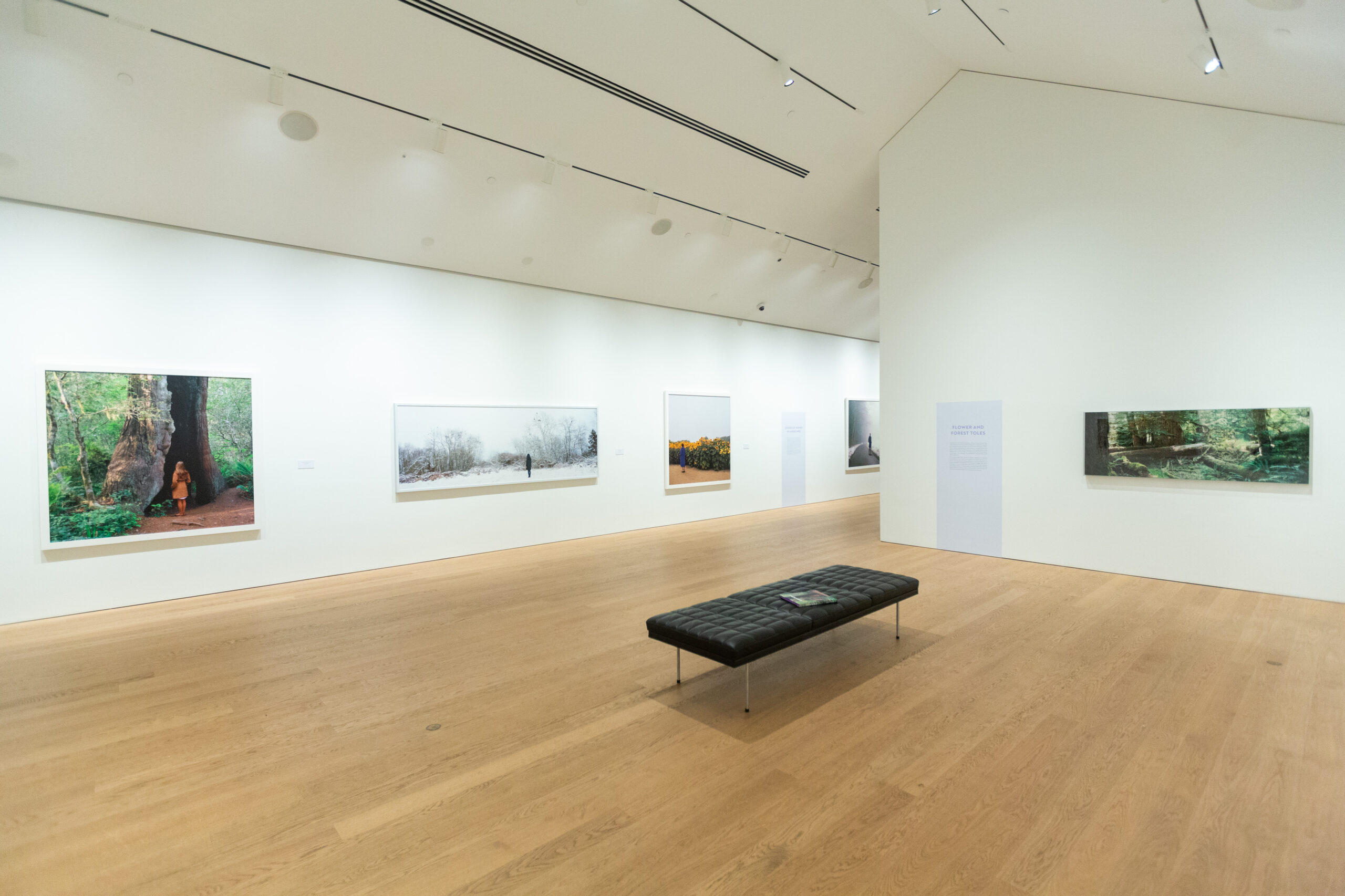
Feature image: Installation view of Karin Bubaš: Garden of Shadows. Photo by Oisin McHugh
By Jaclyn Hayward
At times we are held captive by a moment. Not for it, but by it: paused, still, captivated by the scenery, or gripped by thoughts of what’s to come. We may even be unable to move, at a complete standstill as we think and process. We exist in that moment in time, feeling and breathing, but for that moment we also exist as a part of the scene for someone else. Karin Bubaš: Garden of Shadows is a series of moments and pauses: observing someone else’s experience, and having our own experience.
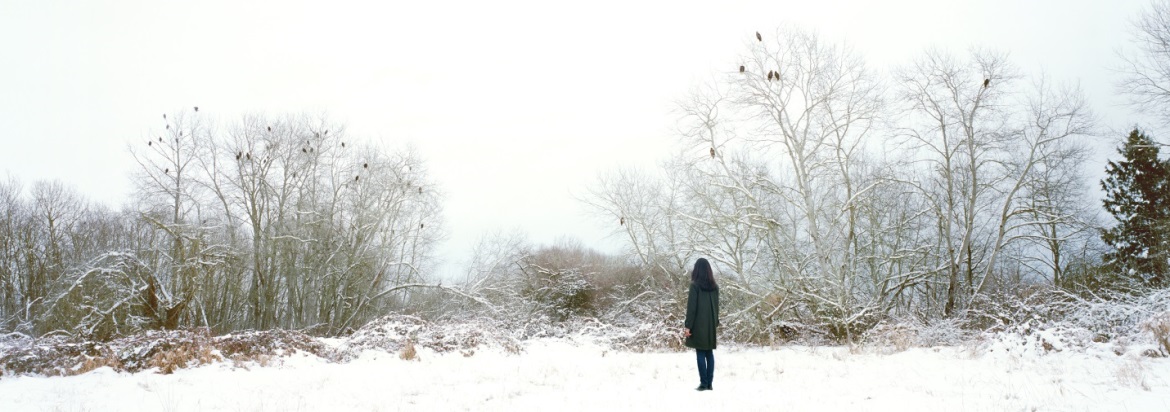
Courtesy of Audain Art Museum Collection, Gift of Michael Audain and Yoshiko Karasawa
Skillfully weaving pensive everyday experiences into an otherworldly space, Bubaš takes us from the gallery to terrains so breathtaking, we may almost forget we are indoors. The Audain Art Museum is nestled in one of BC’s most iconic mountainous landscapes, enhancing the supernatural vividness of Bubaš’ works in a gallery space. Inspired by the picturesque nature of the West Coast, viewers may notice how their perception of the landscape changes with a feminine figure as the focal point. Who and what becomes represented in these scenes extends a sense of familiarity through a symbolic, curious vessel. For example, the piece “Woman With the Eagles” evokes a sense of deja vu, but from when? Similarly, “Woman with Hollowed Tree” feels like a memory, but for who?
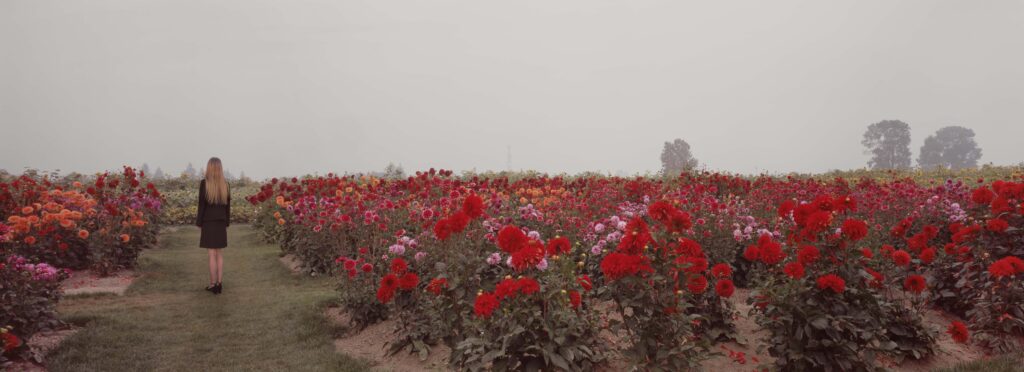
Courtesy of the Artist and Monte Clark Gallery
It feels so lonely. The juxtaposition of the solitary person in the images facing the scenery with the viewer’s experience of looking at the scenery while observing someone in a moment of pause. As onlookers, our bodies echo the action of the person in the scene. The sophisticated outfits in Bubaš’ photographs are eye-catching, particularly in “Woman in Dahlia Field.” Black wedge heels and decorated ankles paired with a business suit suggests a hyper-feminine archetype – a playful contemporary goddess. Dahlias are an elegant symbol of change and transformation, as if the monochrome-attired modern woman in their midst is contemplating change. The solitary and dystopian jamais vu sensation is breathtaking but familiar, leaving us curious, intrigued, and ultimately wanting to reach out to see what’s real.
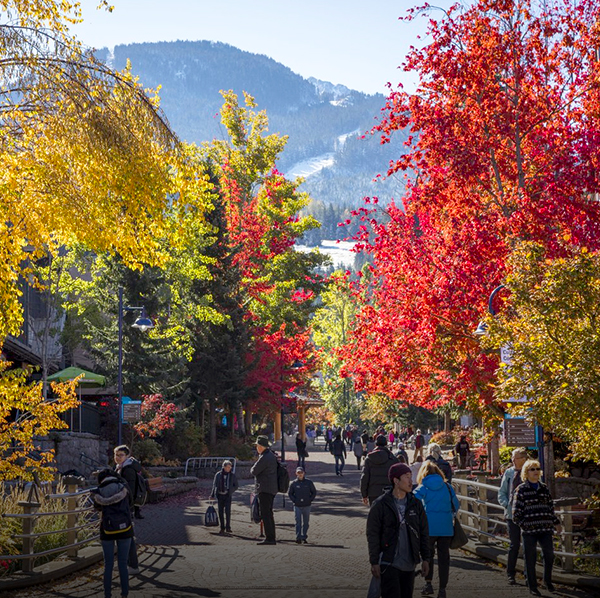
Karin Bubaš: Garden of Shadows is on display from now until January 24, 2024 at the Audain Art Museum (4350 Blackcomb Way, Whistler.)