




By Jordan Baraniecki
The current Bobbie Burgers exhibition at The West Vancouver Art Museum features striking works created throughout the lockdowns of the last two years.
Creating works both on paper and in sculpture, it’s clear that the artist has worked through something that all artists have been struggling with lately, cultivating a creative process while dealing with imposed structure.
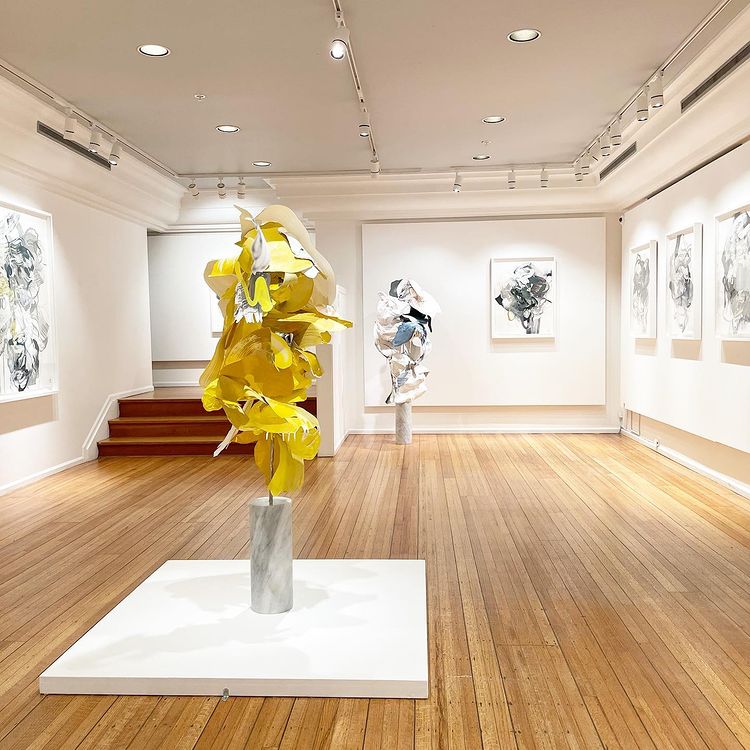
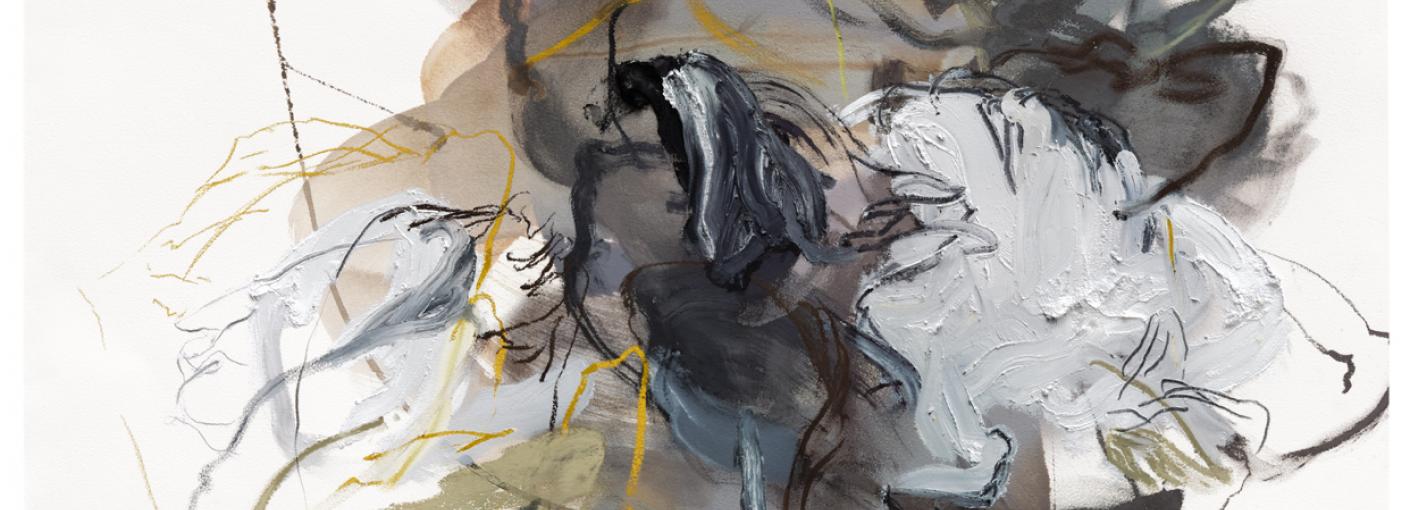
The show, titled “Hard Work of Spring”, implies that although the restrictions in place have shifted her practice, there’s since been an element of renewal from isolation. This, in turn, has brought forth new ways to look at her floral subject matter, experimental mark-making techniques and the use of paper within her studio practice.
The new works on paper continue to explore her presenting flowers through a more abstract lens. However, it seems like over the course of the last 18 months, her viewpoint of the subject matter has become even more vibrant and free-formed than previous works.
Within the variety of mark-making techniques such as heavy-body paint, thin line marks, woodcut stamps, the works on paper wrestle with their own expansive nature in a smaller contained space. As well, within the free-standing sculptures that weave in and out of themselves, there is still a contained nature to the cut-out pieces’ incredibly charged quality.
These opposites could perhaps be the conceptual underpinning of Bobbie’s feelings about the restrictions during an ongoing pandemic. It could also be a prompt for us to understand that restrictions on the creative process make for a clear subject matter, tension.
It’s proof that new beautiful ideas and expressions can indeed come from restrictions that are out of our control.
The Hard Work of Spring is on display till December 11, 2021
For more information, visit westvancouverartmuseum.ca
680 17th St
West Vancouver
BC V7V 3T2
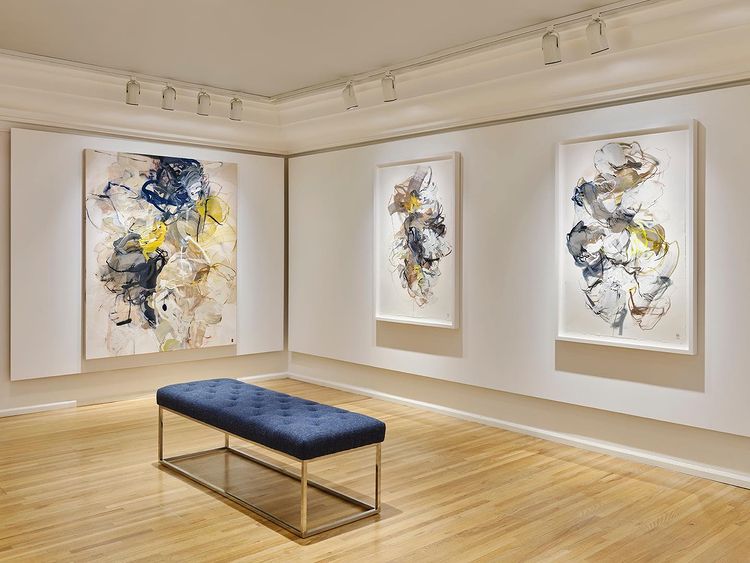


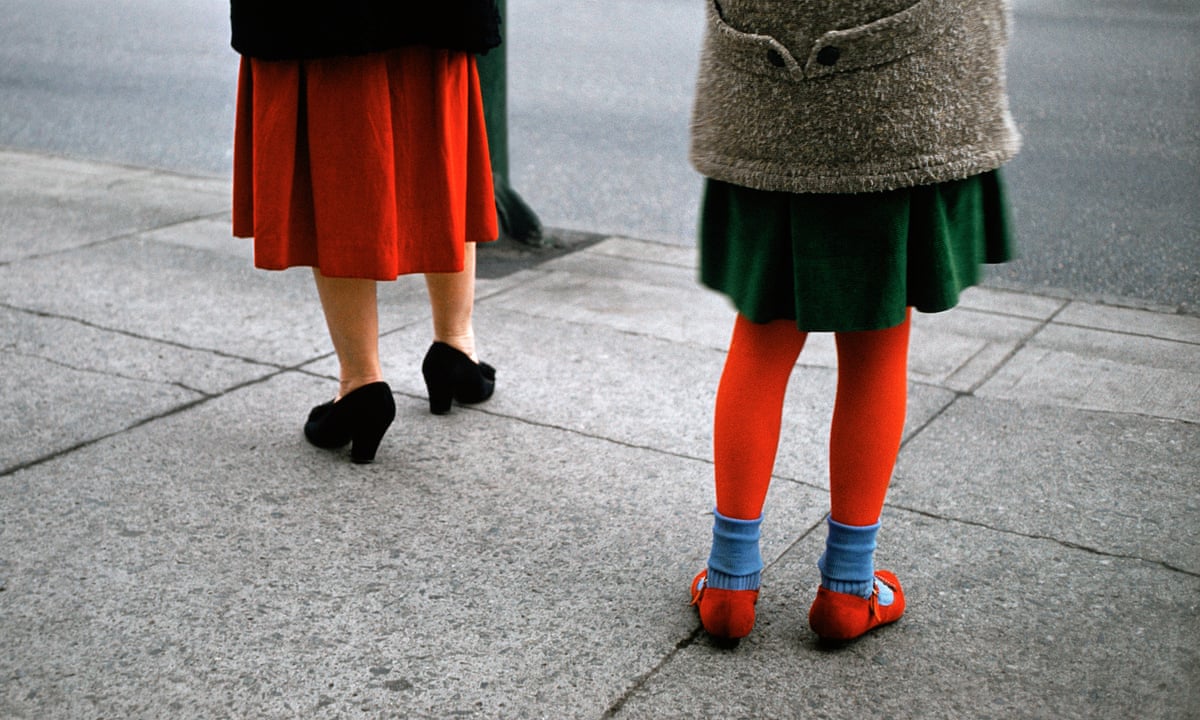


This exhibit is a continuation of the journey of reclamation and rebuilding bonds of cultural knowledge. An original reboot of the Tāpis exhibit, it adds three new makers now holding the knowledge of tāpis/tuppies (dog blankets).
When Adele ᒪᐢᑿᓱᐤᐃᐢᑵᐤ asked to be taught this knowledge from her mentor, it was with the intent of restoring important cultural knowledge taken from so many Northern Nations. For this cohort, Adele ᒪᐢᑿᓱᐤᐃᐢᑵᐤ chose makers who exhibited personal and cultural ethics close to her own, along with levels of skill necessary to undertake such a large project. “Each of these blankets takes a minimum of 200 hours (or more) to be brought to completion. It is with great pride to be able to showcase this exhibit. It has been created to show the beauty and celebration of dog regalia as completed by Michif, Dene, and other Nations to celebrate our valued dog kin.”
Originating from the Métis, Northern Cree, and Dene communities, ‘li tāpis’ (small carpet), named by the French Michif and known as ‘tuppies’ by the English and Scottish Michif, are dog blanket regalia created to celebrate dogs. Tāpis are made from wool and embellished with intricate beadwork, silk embroidery, moose or caribou hair tufting, fringed with ribbon or yarn and adorned with bells. Showing respect for sled dogs, tāpis were draped over the backs of dogs.