
MONOVA’s archival collection of Grouse Mountain Resorts Ltd. (spanning the 1950s to the late 1970s) offers more than just a nostalgic glance back. It serves as a platform for critical
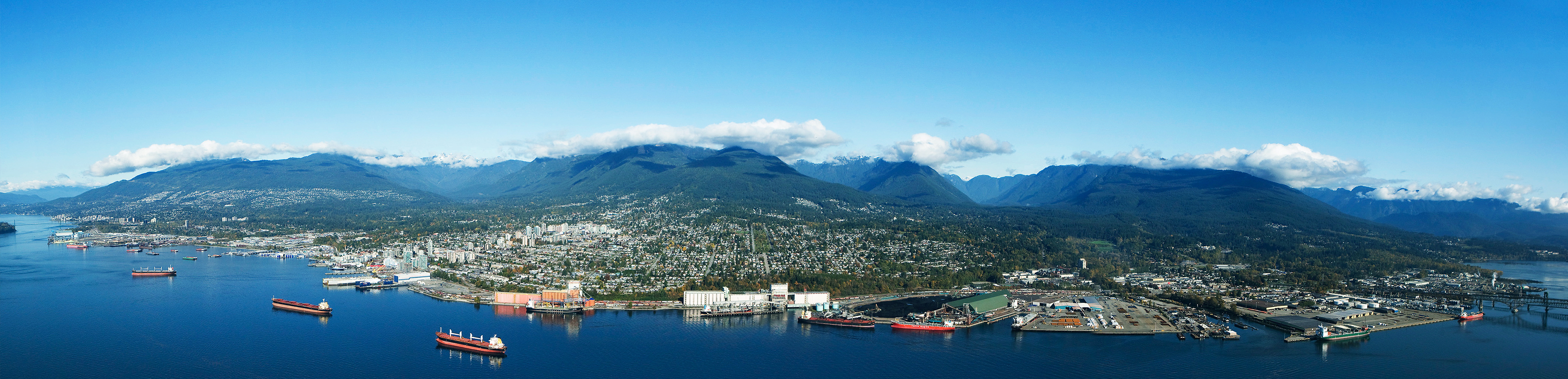
MONOVA’s archival collection of Grouse Mountain Resorts Ltd. (spanning the 1950s to the late 1970s) offers more than just a nostalgic glance back. It serves as a platform for critical reflection on how photography shapes memory, identity, and our understanding of place. These recently donated images, which document the launch of the Skyride and the ecological, social, and architectural transformation of Grouse Mountain, are lens‐based artifacts that engage with time, technique, and authorship. This collection speaks powerfully to the drive to expose the unseen and question the power dynamics behind “the view,” in that it reveals not just what was photographed, but how it was captured, by whom, and for what audience. As we celebrate one hundred years of Grouse Mountain Resorts in 2026, we hope these images spark visitors to share memories and stories and reflect upon what the future may hold for “Vancouver’s Mountain.”
These photographs do more than preserve history, they reactivate it. They invite audiences to engage with heritage, identity, and place in ways that are urgent, nuanced, and artistically resonant, offering a fresh lens through which to view the past and its lasting impact on the present.
Adventures in Grouse Mountain is presented in conjunction with Significant Moments from the Last 100+ Years, on display at MONOVA Archives in Lynn Valley and designed by Natalya Porter.
Museum of North Vancouver
115 Esplanade W, North Vancouver, BC V7M 0G7
In partnership with Sḵwx̱wú7mesh Úxwumixw (Squamish Nation) through the Ta na wa Ns7éyx̱nitmta Snew̓íyelh (Language & Cultural Affairs Department), MONOVA is proud to present Gifts to be
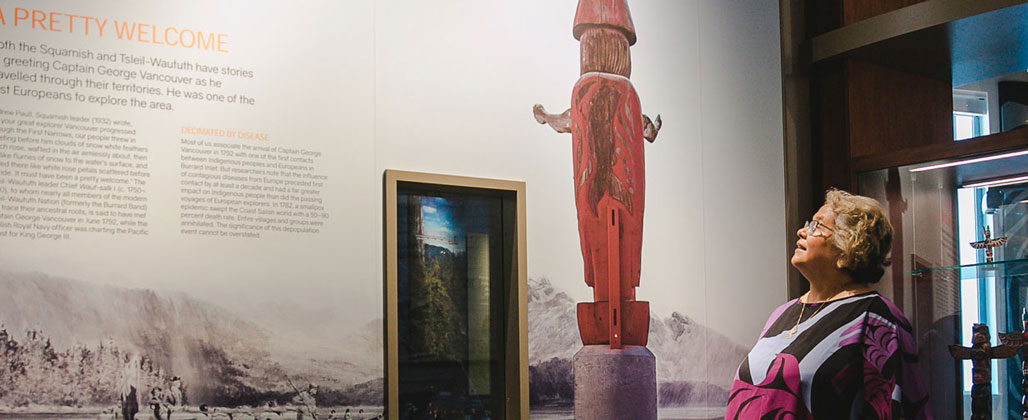
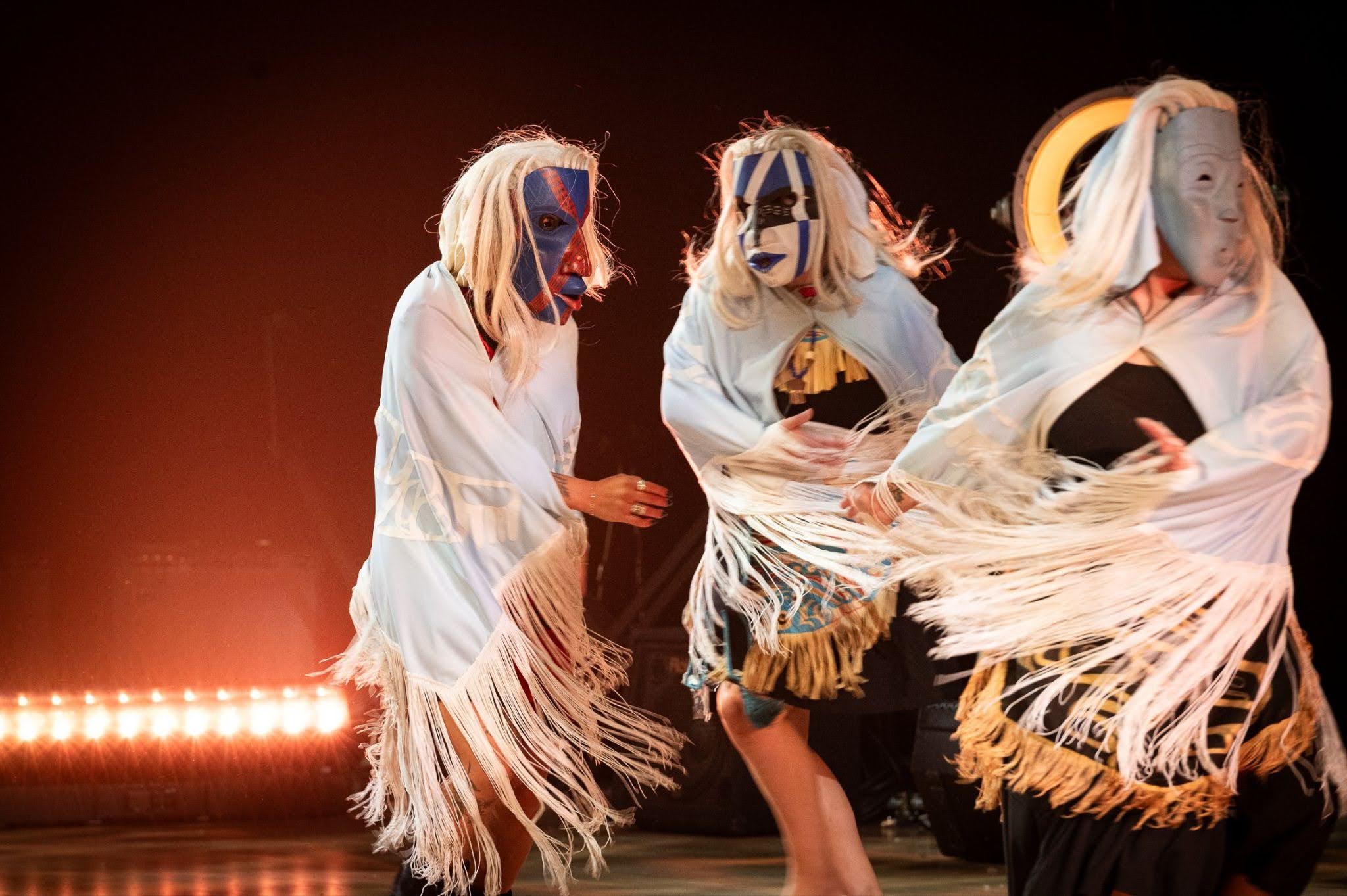
In partnership with Sḵwx̱wú7mesh Úxwumixw (Squamish Nation) through the Ta na wa Ns7éyx̱nitmta Snew̓íyelh (Language & Cultural Affairs Department), MONOVA is proud to present Gifts to be Shared, Protected, and Carried Forward, a new exhibition celebrating Sḵwx̱wú7mesh history, artistry, and living cultural practices.
Through Coast Salish storytelling, weaving traditions, and cultural belongings, the exhibition creates a living connection between past, present, and future while offering visitors a deeper understanding of place rooted in Sḵwx̱wú7mesh history.
The exhibition brings together rare pieces from Chief Dr. Janice George’s personal collection of weavings and cultural belongings alongside significant loans and community-held pieces connected to Sḵwx̱wú7mesh history and teachings, including a canoe, woven works, and Chief Joe Capilano’s belt.
Museum of North Vancouver
115 Esplanade W, North Vancouver, BC V7M 0G7
Acclaimed Canadian photographer Greg Girard receives his first-ever career retrospective this summer. Girard began his career as a photojournalist before developing an artistic focus on the social and physical transformations
Acclaimed Canadian photographer Greg Girard receives his first-ever career retrospective this summer. Girard began his career as a photojournalist before developing an artistic focus on the social and physical transformations of urban centres, especially in Asia. He was based in Shanghai between 1998 and 2011, and is renowned for his images of that city’s rapid, and at times violent, metamorphosis through the beginning of the 21st century. Girard has also produced a number of award winning photobooks, including Phantom Shanghai (2007), which The Independent newspaper cited as one the top 10 photographic books ever produced, as well as Under Vancouver, 1972 – 82 (2017), which is now in its fourth printing. His photographs have appeared in National Geographic Magazine, New York Times Magazine, Time, Fortune, Sunday Times Magazine (UK) and many more.
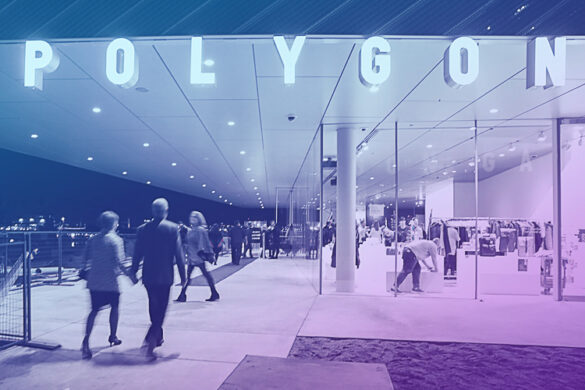
The Polygon
101 Carrie Cates Court
Zodiac Crossroads — Tai’s landmark solo exhibition — reimagines the signs of the Chinese zodiac alongside Western astrological symbols, drawing on ancient mythologies and contemporary cultural threads alike. This constellation
Tai’s art practice has been recognized through exhibitions at renowned spaces including the Grunt Gallery (Vancouver), the Italian Cultural Centre, and the Outlet Gallery, and his work continues to challenge and expand understandings of visual art and accessibility.