





Photography is the art of capturing moments and bringing the movement of life into focus. But how do you show the process of something fading? Your first thought might be to photograph a sunset or the changing leaves of a tree; those are simple enough. But what about a person?
The personal affectations, mannerisms, even likes and dislikes—these simple aspects of life are the focused details that make up someone’s identity. These are the intangible touchpoints that are lost when an individual (and their family) is faced with Alzheimer’s.
It’s a process that Vancouver photographer Geoffrey Bird has faced since his wife, Erin, was diagnosed with the disease in 2021. Using his camera lens to put Erin’s journey into perspective, Geoffrey explores the perception of this often misunderstood affliction while simultaneously coping with the loss of someone dear to him.
His photos of Erin might initially seem like relatively ordinary, day-to-day scenes, a woman sitting calmly at a table, looking into the lens, a subtle smile curling at the edges of her mouth— but when viewed within the context of the couple’s journey, they take on a completely different meaning. We search for clues to the fragmented identity behind her eyes, and imagine moments of struggle, straining to hang on to a thought as it continues to wash away. But regardless of what we glean from her expression, what might surprise you is how she’s shot. She isn’t framed from a place of sadness. Bird uses his lens to portray Erin with a tender devotion that remains hopeful. It’s a testament to Bird’s skill as an artist that he can evoke such a profound sense of empathy in his images.
In two of his notable photography projects, Stolen Cars and Stolen — Flowers for My Wife, Bird uses visual metaphors to communicate the often intangible sense of loss that comes when someone’s identity begins to fade. With Stolen Cars, he shares the heartbreaking moment when Erin was first told she could no longer drive. It was the loss of a possession, but more profoundly, the loss of control, as Erin was no longer in the driver’s seat of her own life. It’s a stark reminder for those unfamiliar with the disease of how quickly major aspects of a person’s routine and identity can be taken away, often permanently.
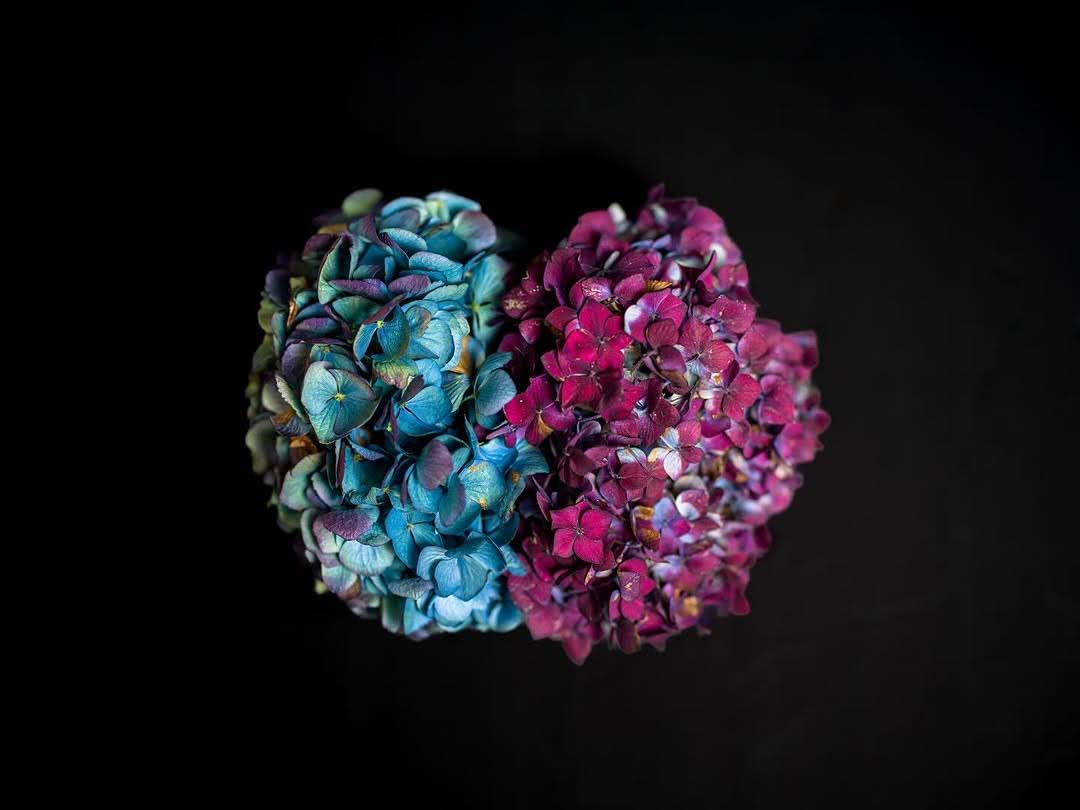
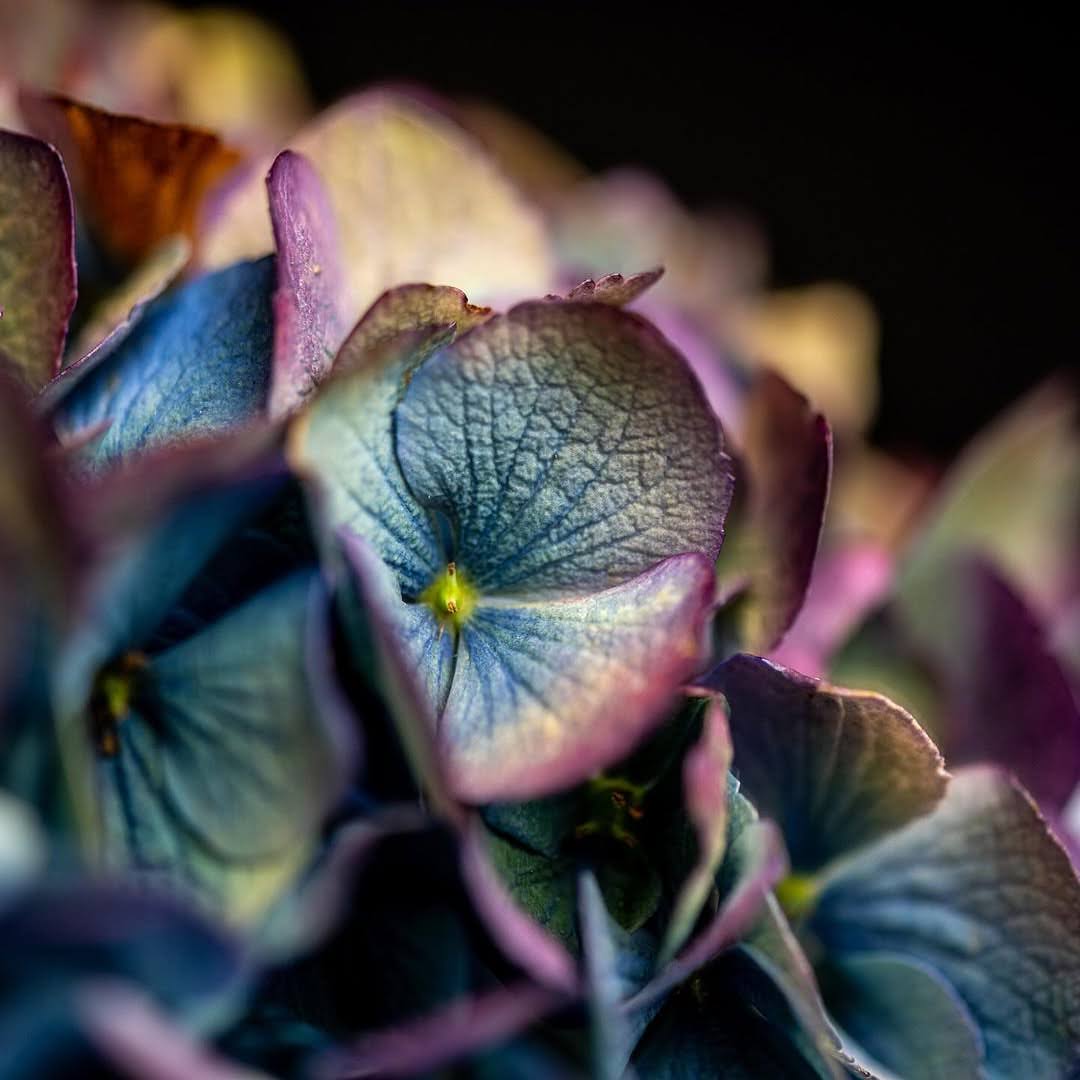
In his photography book Stolen — Flowers for My Wife, Bird uses the visual metaphor of hydrangea flowers changing colour to illustrate that, whether you’re prepared or not, things inevitably change. It’s the act of pausing to appreciate the beauty and joy along the way that keeps us going.
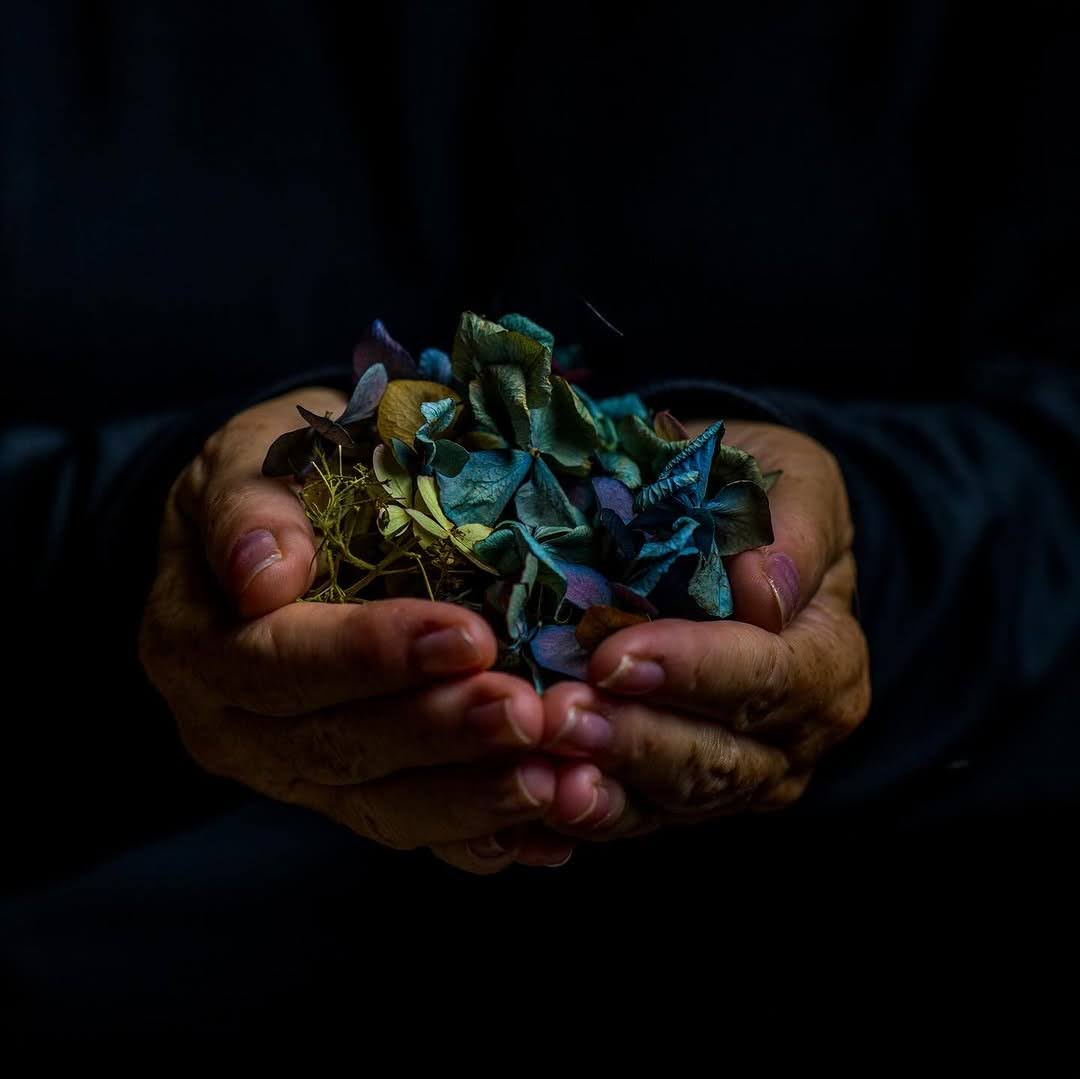
“I have seen in clinical digital outputs that have documented her gradually diminishing brain activity”, he explains. “Like the blossoms, delicate and fragile, her brain is deteriorating at the fringes”.
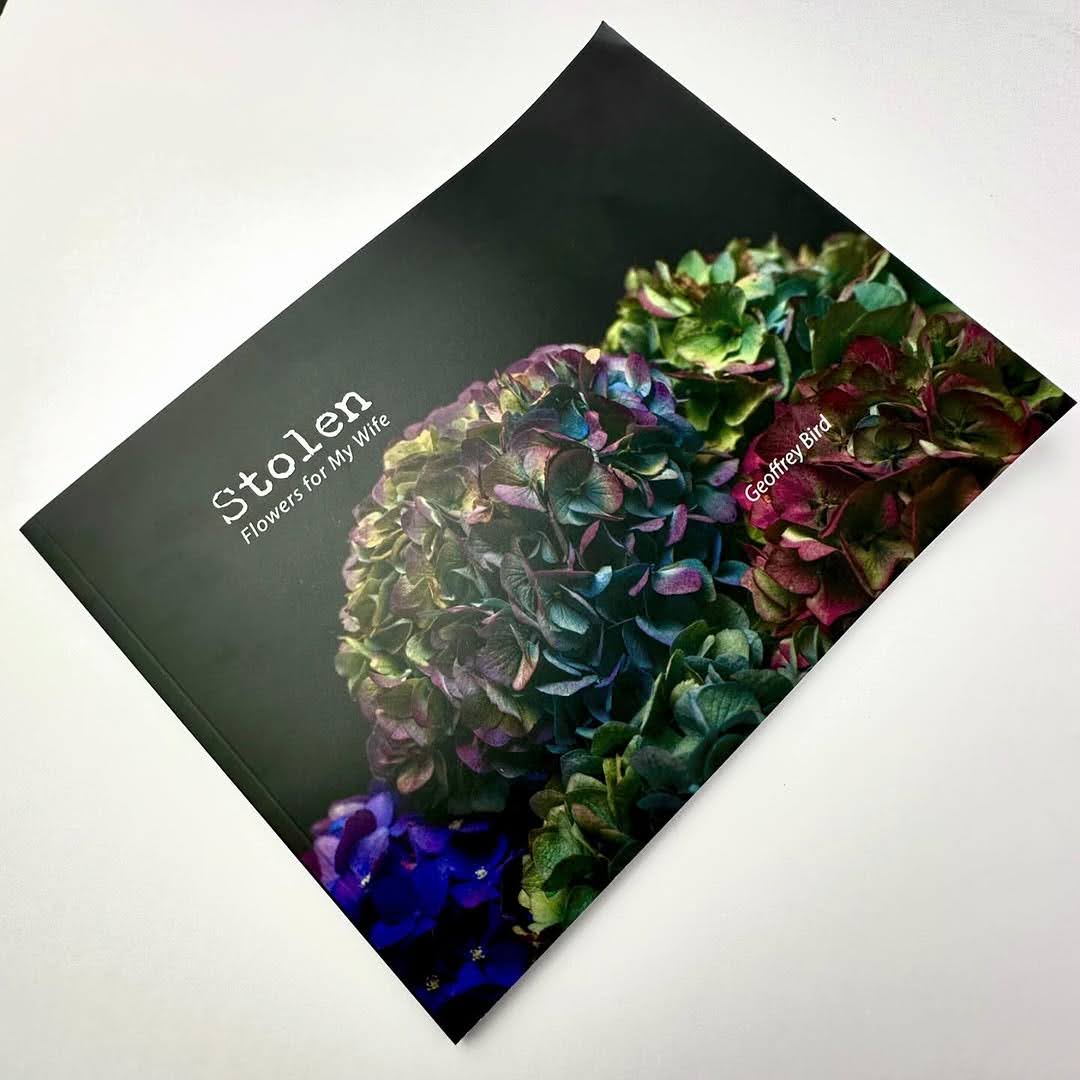
In addition to becoming an advocate for Alzheimer’s and contributing 100% of the profits from Stolen — Flowers to the Alzheimer Society of Canada, Bird’s work shows how art can be a powerful tool for healing and understanding. Each photo of Erin on this journey serves as a reminder of who she is beyond the disease—a spark that, while it may fade, will never entirely go out.
”The work has been part of a healing process for my wife and me. I hope too, that the images serve as a source of healing for others as well.”
Feature image photo credit: Stolen — Flowers for My Wife | Geoffrey Bird