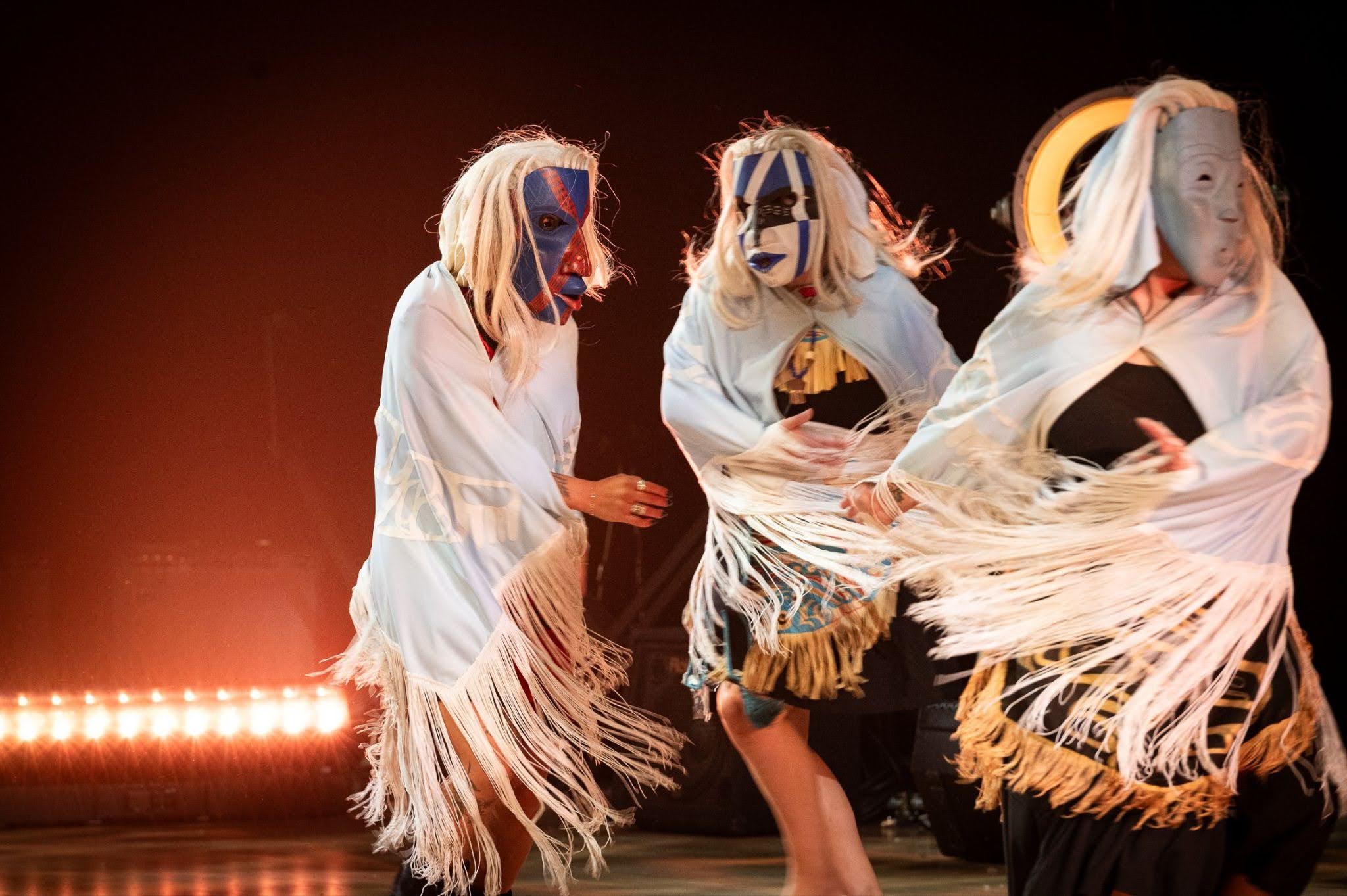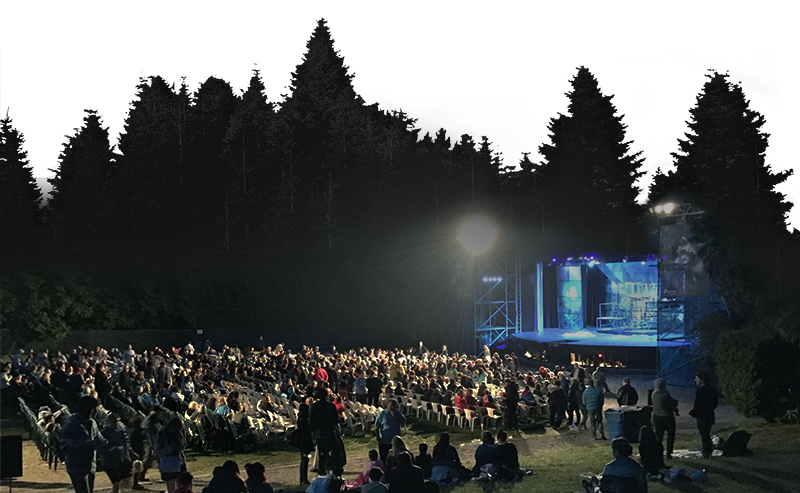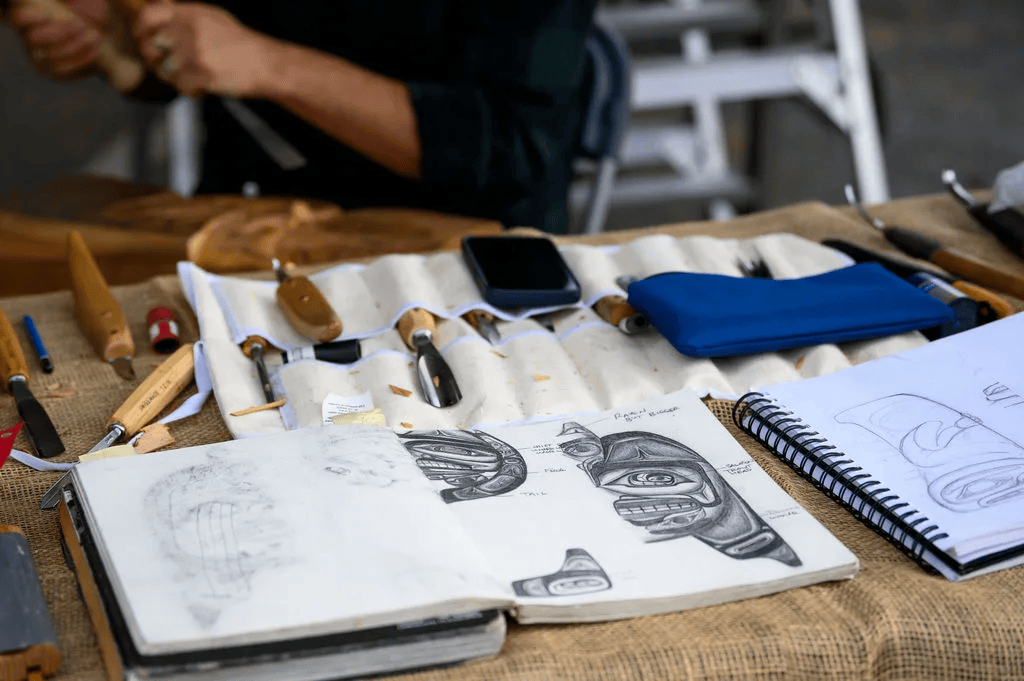







Jeanette Kotowich is a dancer and choreographer living on the West Coast of BC. Here she shares insights into the process of her work.
Jeanette Kotowich is a multi-discipline dance artist and choreographer born in Treaty 4 territory Saskatchewan, living and working in the Ancestral and unceded Sḵwx̱wú7mesh (Squamish) əl̓ilw̓ətaʔɬ/ (Tsleil-Waututh) and xʷməθkʷəy̓əm (Musqueam) territories, colonially known as Vancouver.
Fusing interdisciplinary collaboration, de-colonial practices and embodied research methodologies, her work references protocol, ritual, relationship to the natural/spirit world and Ancestral knowledge.
Learn more about Jeanette’s work and upcoming exhibits by visiting her website or Instagram


This exhibit is a continuation of the journey of reclamation and rebuilding bonds of cultural knowledge. An original reboot of the Tāpis exhibit, it adds three new makers now holding the knowledge of tāpis/tuppies (dog blankets).
When Adele ᒪᐢᑿᓱᐤᐃᐢᑵᐤ asked to be taught this knowledge from her mentor, it was with the intent of restoring important cultural knowledge taken from so many Northern Nations. For this cohort, Adele ᒪᐢᑿᓱᐤᐃᐢᑵᐤ chose makers who exhibited personal and cultural ethics close to her own, along with levels of skill necessary to undertake such a large project. “Each of these blankets takes a minimum of 200 hours (or more) to be brought to completion. It is with great pride to be able to showcase this exhibit. It has been created to show the beauty and celebration of dog regalia as completed by Michif, Dene, and other Nations to celebrate our valued dog kin.”
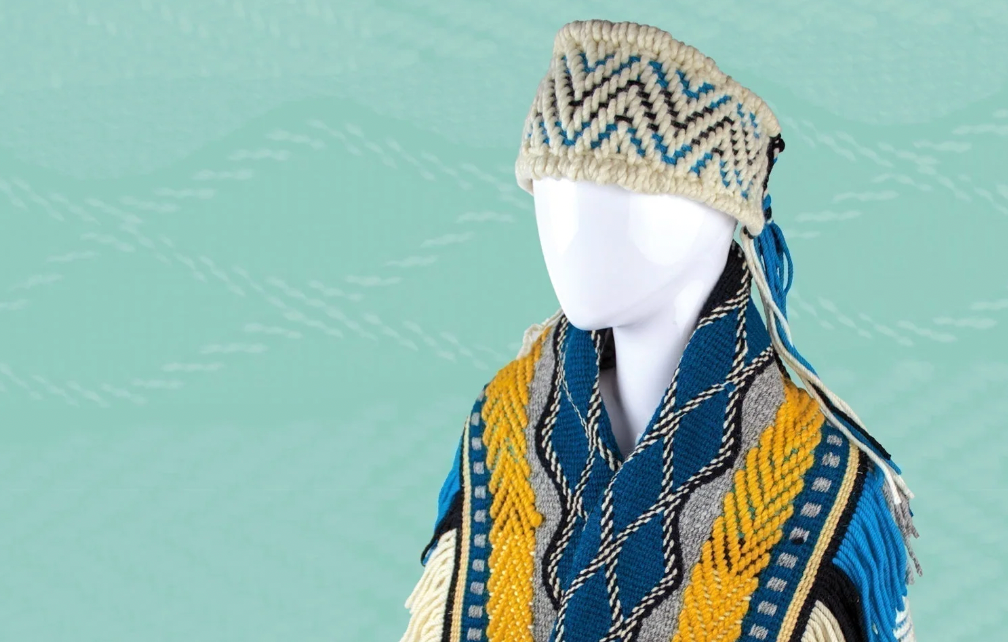
Originating from the Métis, Northern Cree, and Dene communities, ‘li tāpis’ (small carpet), named by the French Michif and known as ‘tuppies’ by the English and Scottish Michif, are dog blanket regalia created to celebrate dogs. Tāpis are made from wool and embellished with intricate beadwork, silk embroidery, moose or caribou hair tufting, fringed with ribbon or yarn and adorned with bells. Showing respect for sled dogs, tāpis were draped over the backs of dogs.