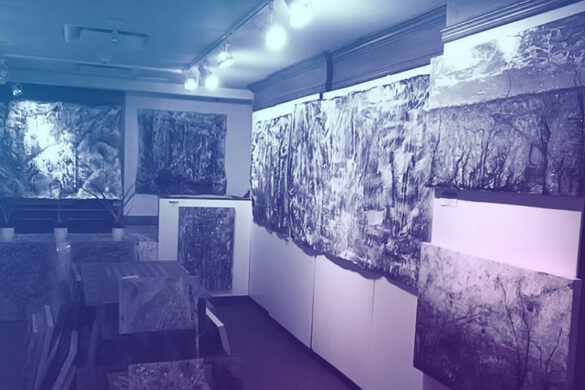

Capture the beauty of the season and turn moments into memories as you paint the Whistler skyline. Explore your creative talent with a local artist, who will guide you through
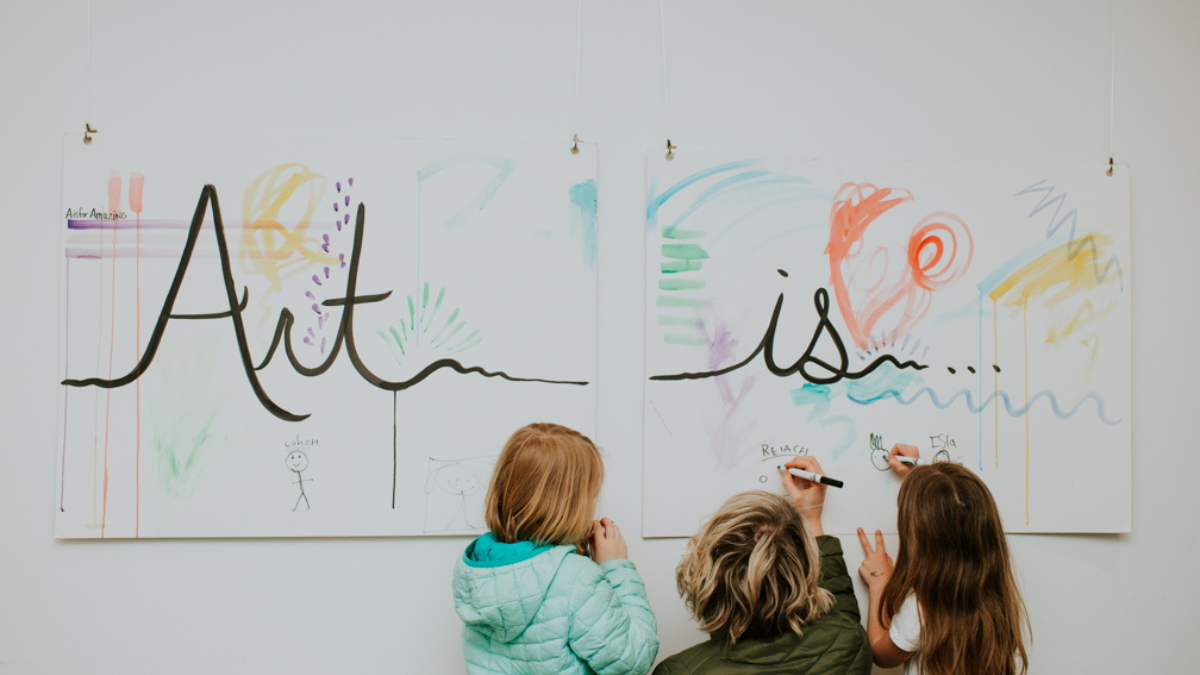
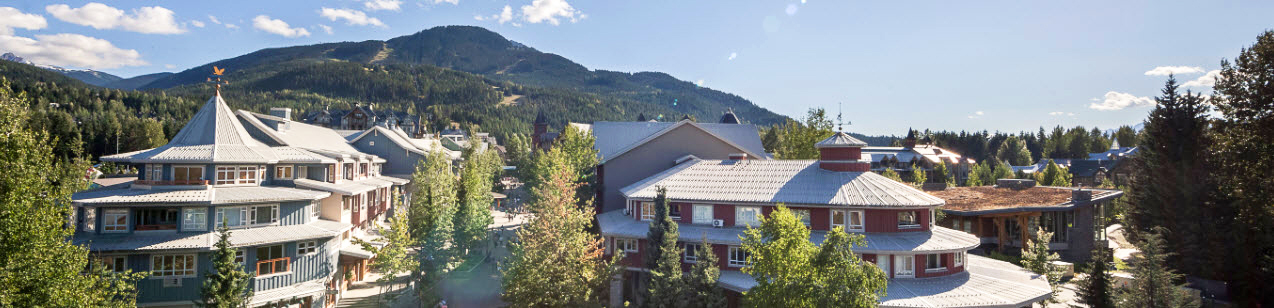
Capture the beauty of the season and turn moments into memories as you paint the Whistler skyline. Explore your creative talent with a local artist, who will guide you through masterpieces inspired by the local landscape.
Availability: All year round, Monday, Tuesday, Wednesday, Thursday, Friday, Saturday
Time of Day: Morning, Afternoon, Evening
Duration: 2 hours
Four Seasons Resort Whistler
4591 Blackcomb Way,
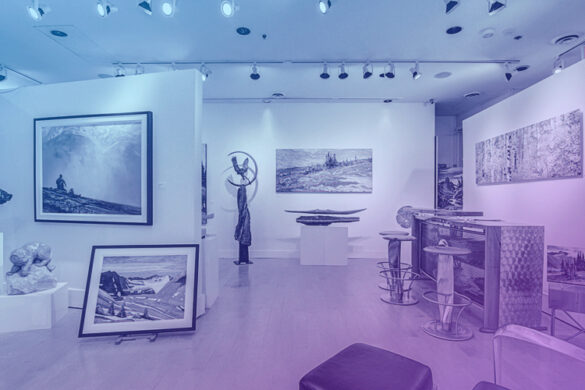
Celebrating Takao Tanabe’s extraordinary contributions to Canadian art, this retrospective marks his 100th birthday on September 16, 2026, and features over sixty paintings spanning more than seven decades. It offers
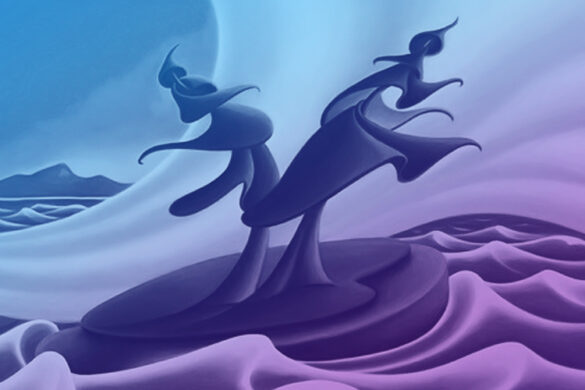
Celebrating Takao Tanabe’s extraordinary contributions to Canadian art, this retrospective marks his 100th birthday on September 16, 2026, and features over sixty paintings spanning more than seven decades. It offers a comprehensive look at his evolving visual language and the remarkable breadth of Tanabe’s artistic practice.
Born in 1926 in Seal Cove, Prince Rupert, British Columbia, Tanabe is a second-generation Japanese Canadian whose work has profoundly shaped the landscape of Canadian art. Renowned for his abstract and representational landscapes, he distills the essence of place through masterful control of form, colour, and brushwork. Across his oeuvre, familiar terrains and coastal scenes are transformed into luminous compositions that balance serenity with energy, reflecting a deep, contemplative engagement with land and water.
Alongside iconic coastal and prairie landscapes, Takao Tanabe: Inside Passage showcases lesser-known bodies of work, including the Emperor series, hard-edge paintings, and intimate river scenes, providing a more comprehensive appreciation of Tanabe’s creative range. Each canvas, whether modernist abstraction or tranquil coastal sky, demonstrates his lifelong pursuit of visual and emotional resonance in shape and nature.
Tanabe’s influence extends beyond his technical mastery, merging Eastern and Western traditions with the modernist movements of postwar Canada. His contributions have been recognized with numerous honours, including the Governor General’s Award in Visual and Media Arts, the Order of Canada, and the Audain Prize for the Visual Arts. This exhibition invites visitors to celebrate Takao Tanabe’s centennial, reflect on his enduring legacy, and experience the quiet power and poetic refinement that define his remarkable body of work.
Presented in Inside Passage is Tanabe’s extraordinary ability to capture a visual expression of emotion through abstraction, as well as the essence of picturesque places. From tranquil rivers and mountains to dramatic coastal vistas, his work evokes both stillness and grandeur, offering a poetic reflection on nature and a lasting testament to his artistic legacy.
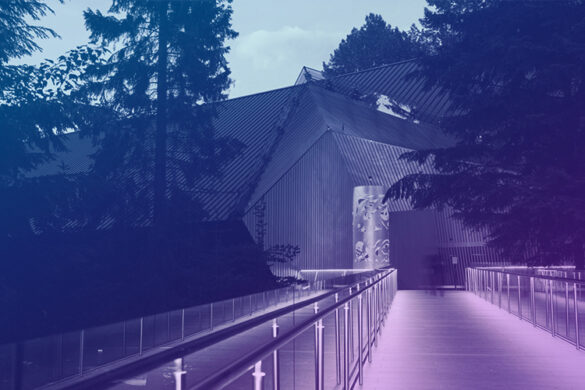
Audain Art Museum
4350 Blackcomb Way
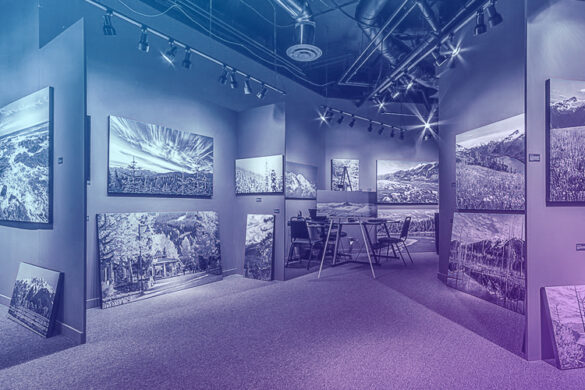
Solstice: Through Storm and Stillness brings together works from the Audain Art Museum’s Permanent Collection that reflect on endurance, resilience, and the quiet momentum of moving through difficult seasons. Drawing on
Solstice: Through Storm and Stillness brings together works from the Audain Art Museum’s Permanent Collection that reflect on endurance, resilience, and the quiet momentum of moving through difficult seasons.
Drawing on the imagery and atmosphere of winter, the exhibition considers how periods of stillness, isolation, and upheaval shape emotional and psychological landscapes. The featured artists, Andrew Dadson, Gathie Falk, Gordon Smith, Karin Bubaš, Kim Dorland and Landon Mackenzie explore weather as both a literal and metaphorical force. Through painting, sculpture, and photography, the exhibition invites viewers to consider winter not only as a time of hardship, but as a necessary season of pause, persistence, and eventual transformation.
Solstice: Through Storm and Stillness is curated by Cassidy Luteijn, Assistant Curator, Audain Art Museum.
Audain Art Museum
4350 Blackcomb Way
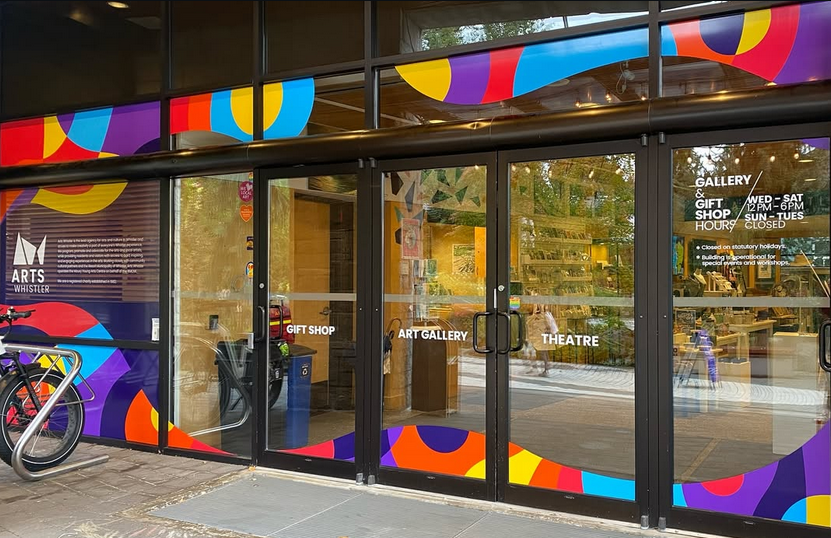
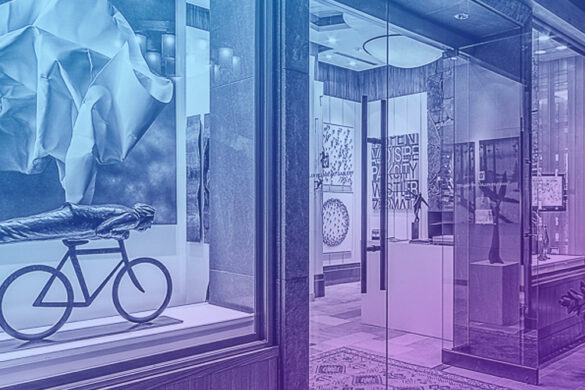
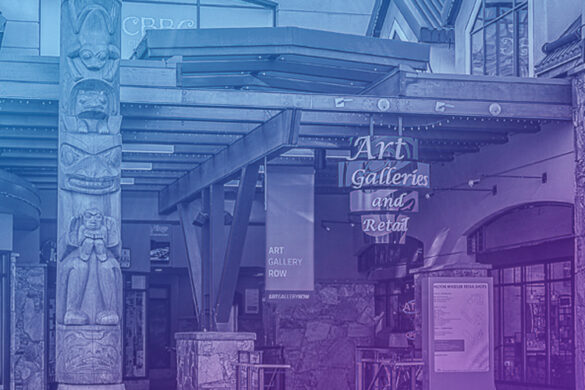
This upcoming Gallery exhibit will feature artwork from all your favourite local artists. It’s the perfect place to find original local artwork for yourself or to give as a gift
This upcoming Gallery exhibit will feature artwork from all your favourite local artists. It’s the perfect place to find original local artwork for yourself or to give as a gift this holiday season.
Maury Young Art Centre
4335 Blackcomb Way