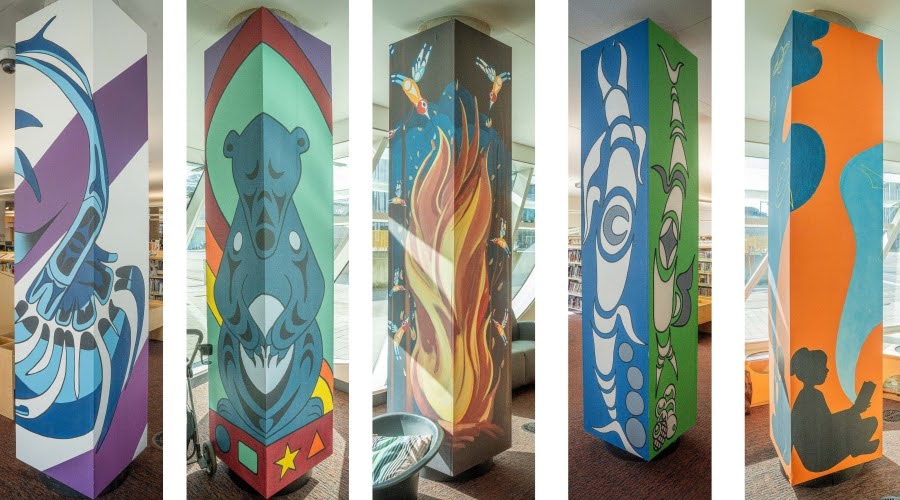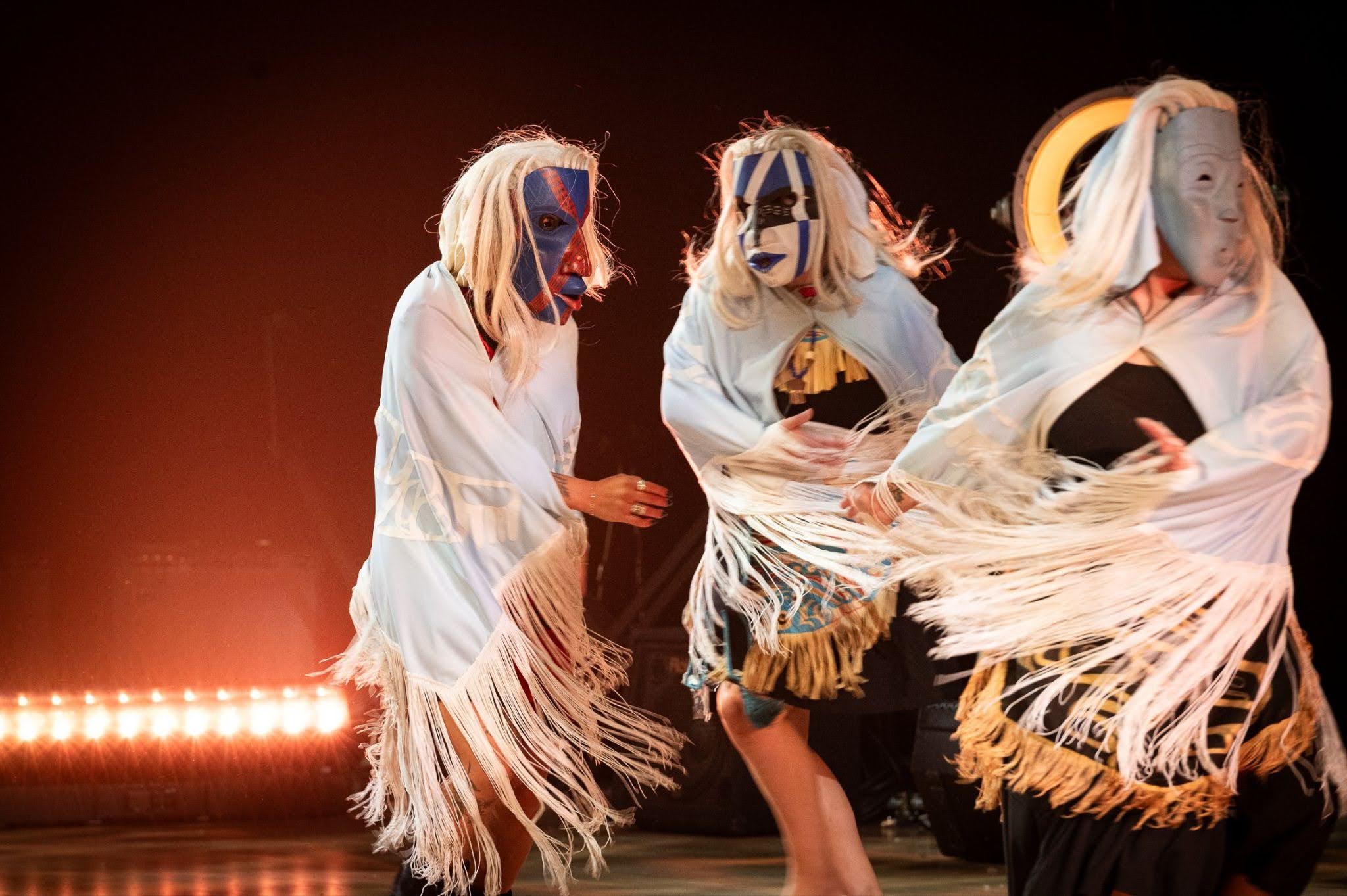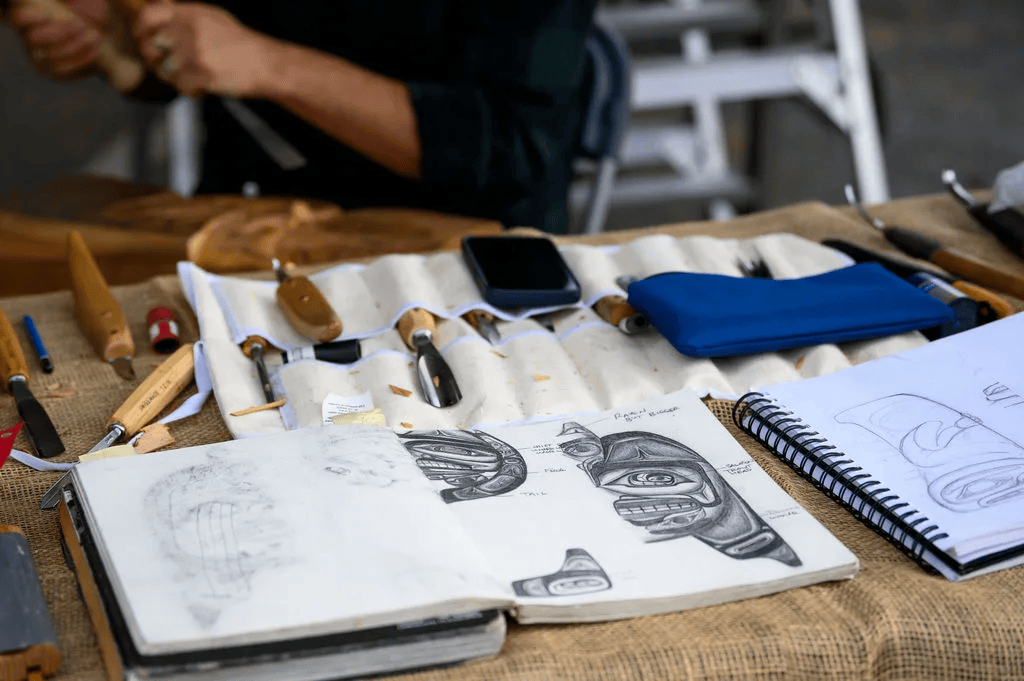
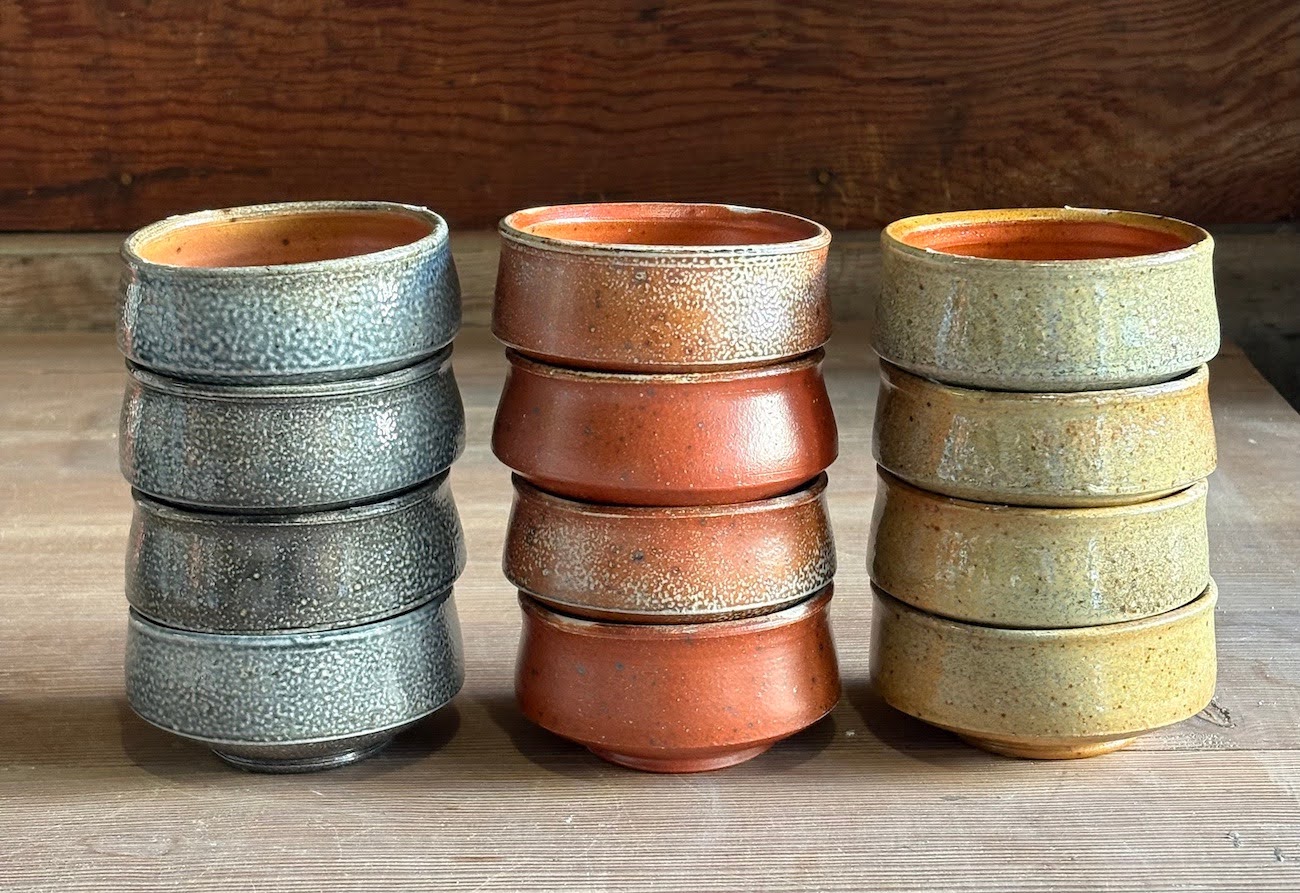
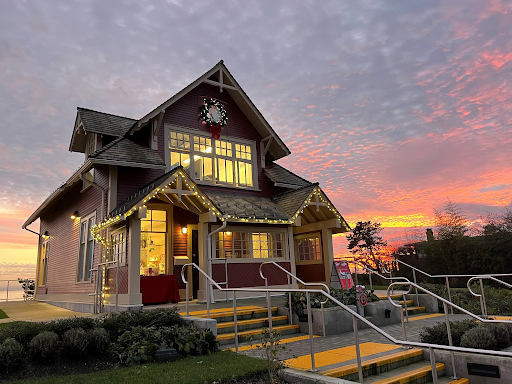

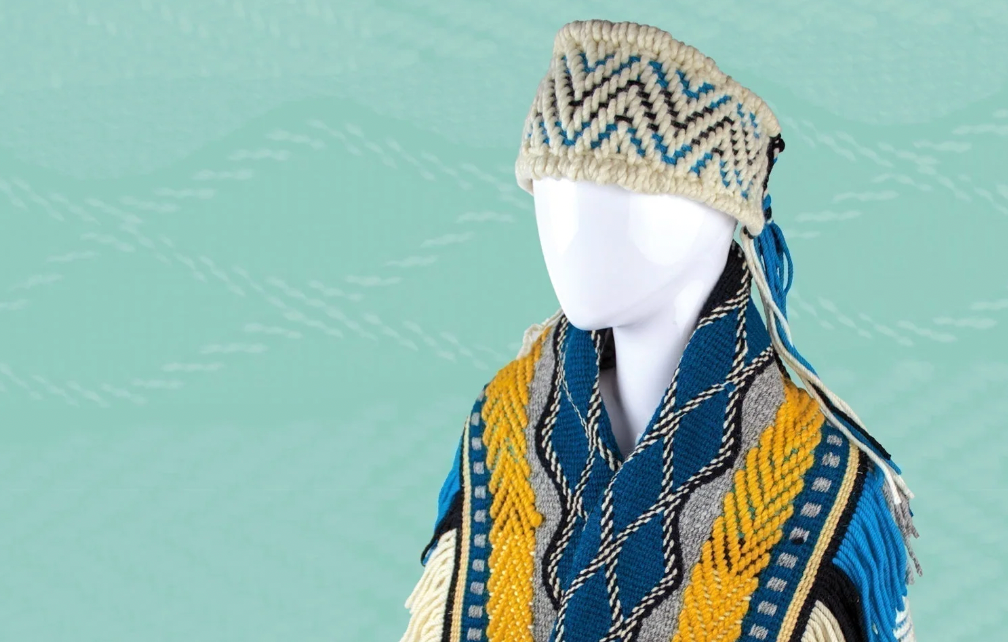
Bringing together 11 Coast and Interior Salish artists working across sculpture, printmaking, textiles, painting, and mixed media, this exhibition at the Bill Reid Gallery reveals the Salish community’s deep connection to art and relationships. Along with that focus on relational storytelling, the show also challenges the historic marginalization of Salish art within broader Northwest Coast art histories, especially when compared to Northern Indigenous art styles such as Haida and Tlingit.
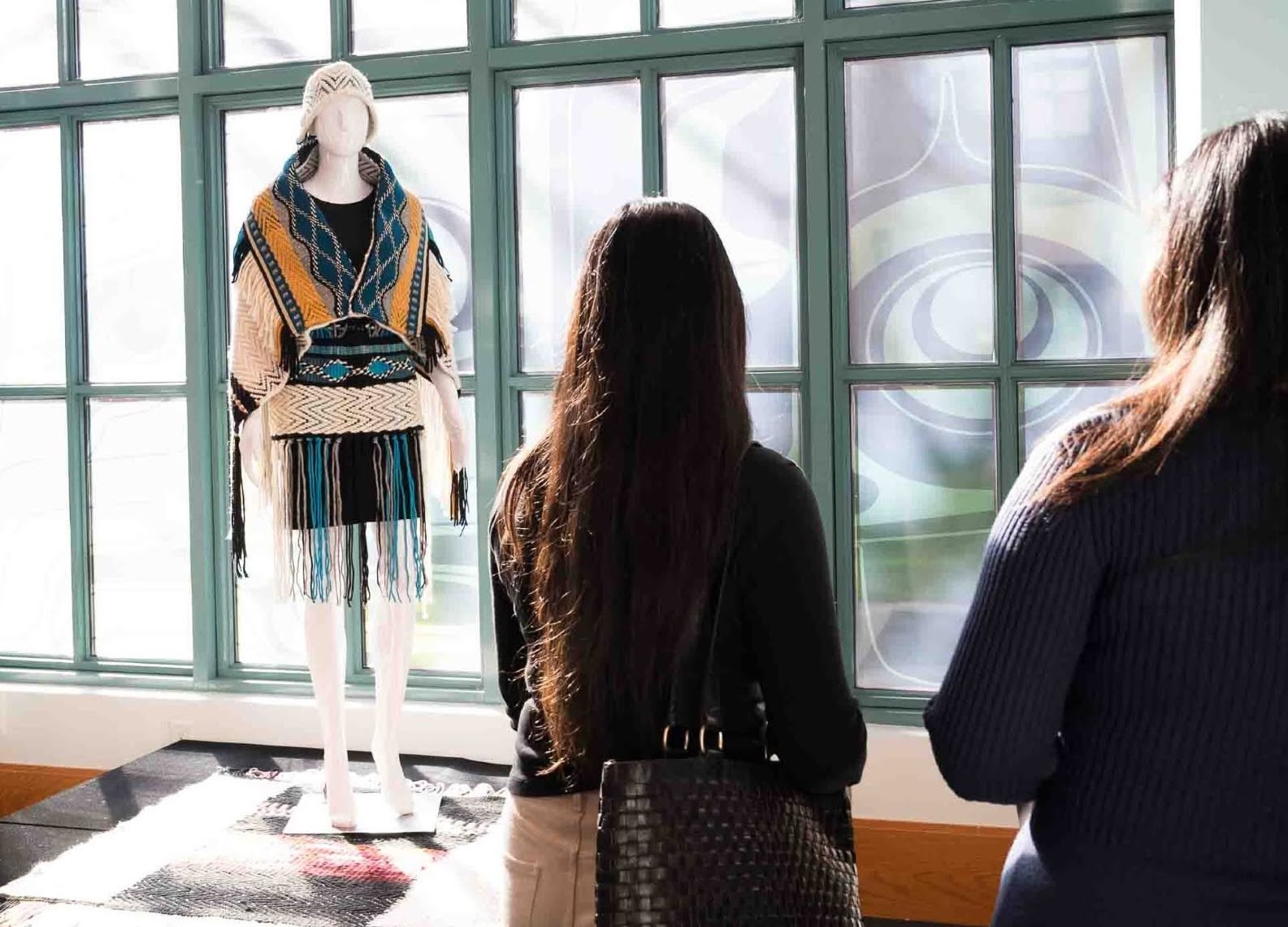
It’s a celebration of Salish art as the voices of individuals and how identity and connection manifest themselves in each statement. The title of the show is a reference to the river as a metaphor. A living and evolving presence that links land, water and people to the past and the future.
Guest curator, Salish artist Eliot White-Hill, Kwulasultun brings together a wonderful collection of Salish artists from established voices like Susan Point and Angela Paul to the emerging creatives of the next generation. It harkens back to the theme of the river, that relationships and expression carry into the future, while honouring the lineage of inspiration from the past.
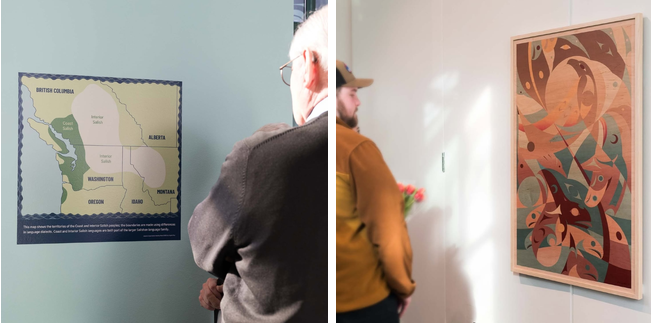
As White-Hill puts it, “By creating this platform for Salish artists and sharing these stories, we are able to contribute to the cultural resurgence and renaissance of Salish art and storytelling that is taking place at this very moment.”
Participating artists include: Angela Paul, Danielle Morsette, Grace Edwards, James Harry, Ryza Marston, Manuel Axel Strain, Ocean Hyland, Paige Pettibon, Susan Point, Sydney Pascal, and Taylor Baptiste.
Every River Has a Mouth: The Visual Languages That Connect Us is on now until Feb 14, 2027.
For more information on this exhibition, click here.