




Written by Natasha Ponda
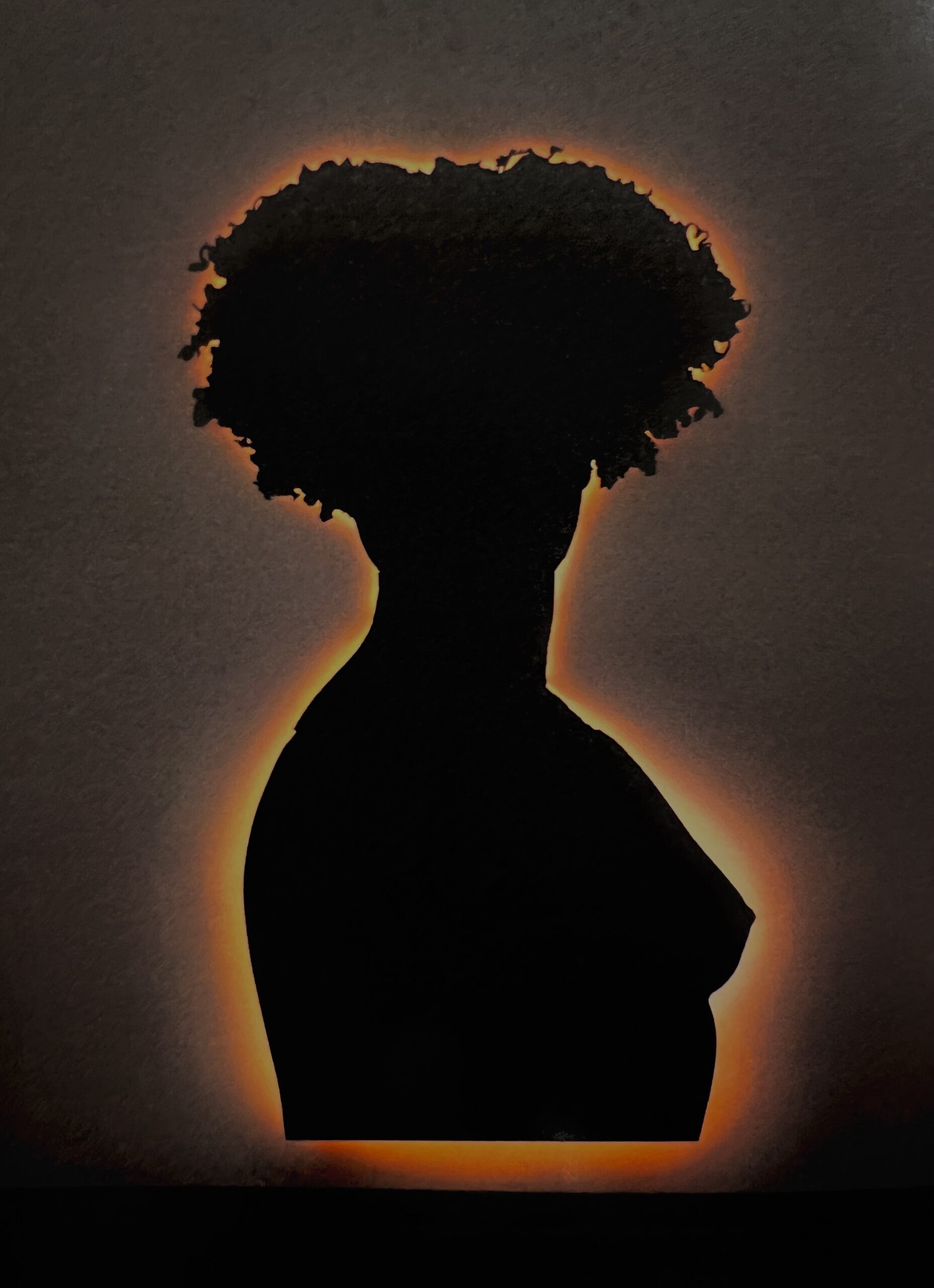
The body has always been a source of contemplation in art. More specifically, the female form has had countless interpretations produced by artists throughout human history. And stationed in the crossed-orbits of anatomical identity and womxn experience, is where we find Rebecca Bair.
Her current works on display at the West Vancouver Art Museum utilize abstract representation to explore a concept readily discussed in social politics, which she then redirects into varying visual art mediums. The title, Deep Conditioning, is a play on words where conditioned, social responses to physical differences are refuted with Bair’s own responsive conditioning – self-love and generational celebration.
This established ‘soft’ response to negative prejudice regarding a body’s appearance allows her work to fall into a relationship of love towards the part of herself that has been under external scrutiny.
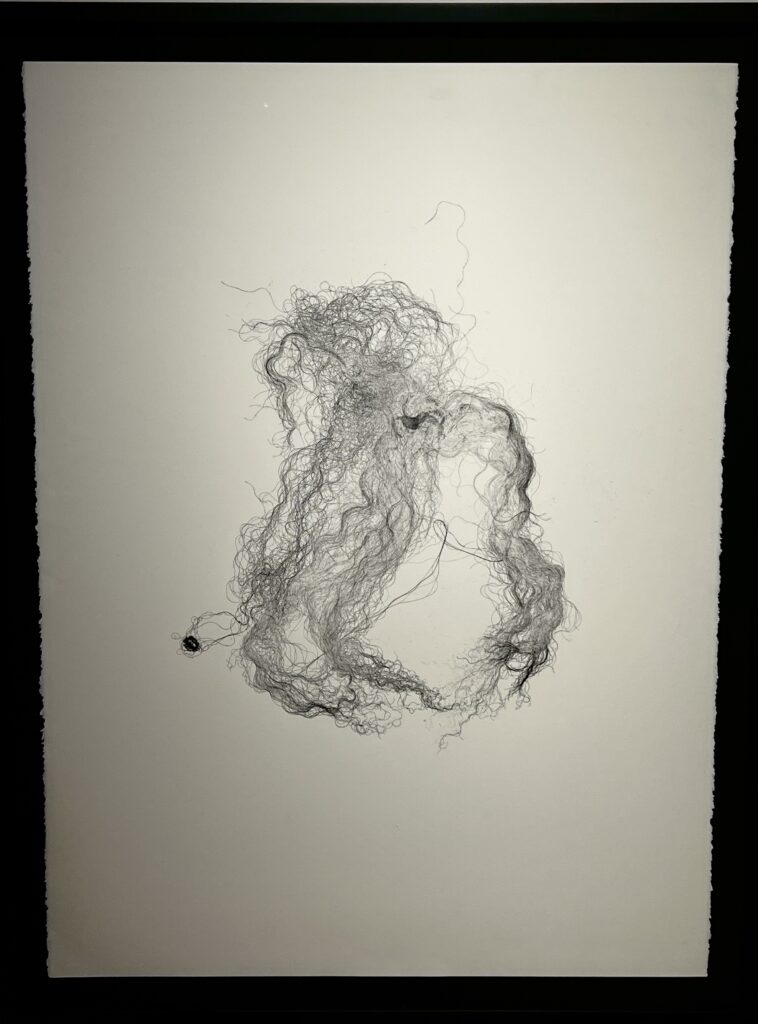
Hair is explored in a number of ways. One piece which stood out is a constellation of charcoal and shea butter, flowing and curling into what can look like two figures embracing. A nod to a shared experience of identity between generations, a connection from mother to child.
Two figures brought together by something shared. Being made from the same strand, having the same hair, causing the same bodily subjugations they may face by the outside world. And maybe even from themselves as a result of pervasive social pressures around image and looks. Influencing identity and self-perception.
Instead of remaining a body’s mundane extension, an unliving aspect, Bair very much reminds us that hair is a living challenge connected to Black experience. Deep Conditioning is a deeply personal and reflexive exhibition around Blackness, generational ‘body’, and space presented by softly curving lines and self-identified love.
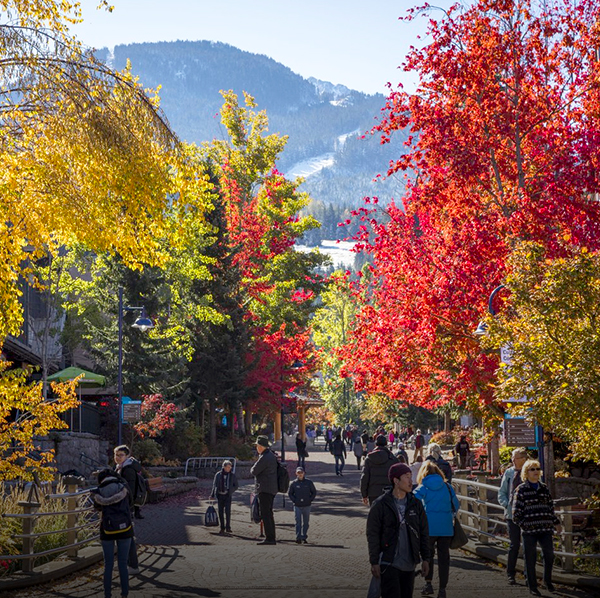
Located in the lively waterfront neighbourhood of Ambleside, it is a beautiful trip to check out art and enjoy the scenery.
Visit Deep Conditioning until March 12, 2022 at the West Vancouver Art Museum. Entry by donation.
westvancouverartmuseum.ca
*Photos by Natasha Ponda

This exhibit is a continuation of the journey of reclamation and rebuilding bonds of cultural knowledge. An original reboot of the Tāpis exhibit, it adds three new makers now holding the knowledge of tāpis/tuppies (dog blankets).
When Adele ᒪᐢᑿᓱᐤᐃᐢᑵᐤ asked to be taught this knowledge from her mentor, it was with the intent of restoring important cultural knowledge taken from so many Northern Nations. For this cohort, Adele ᒪᐢᑿᓱᐤᐃᐢᑵᐤ chose makers who exhibited personal and cultural ethics close to her own, along with levels of skill necessary to undertake such a large project. “Each of these blankets takes a minimum of 200 hours (or more) to be brought to completion. It is with great pride to be able to showcase this exhibit. It has been created to show the beauty and celebration of dog regalia as completed by Michif, Dene, and other Nations to celebrate our valued dog kin.”
Originating from the Métis, Northern Cree, and Dene communities, ‘li tāpis’ (small carpet), named by the French Michif and known as ‘tuppies’ by the English and Scottish Michif, are dog blanket regalia created to celebrate dogs. Tāpis are made from wool and embellished with intricate beadwork, silk embroidery, moose or caribou hair tufting, fringed with ribbon or yarn and adorned with bells. Showing respect for sled dogs, tāpis were draped over the backs of dogs.