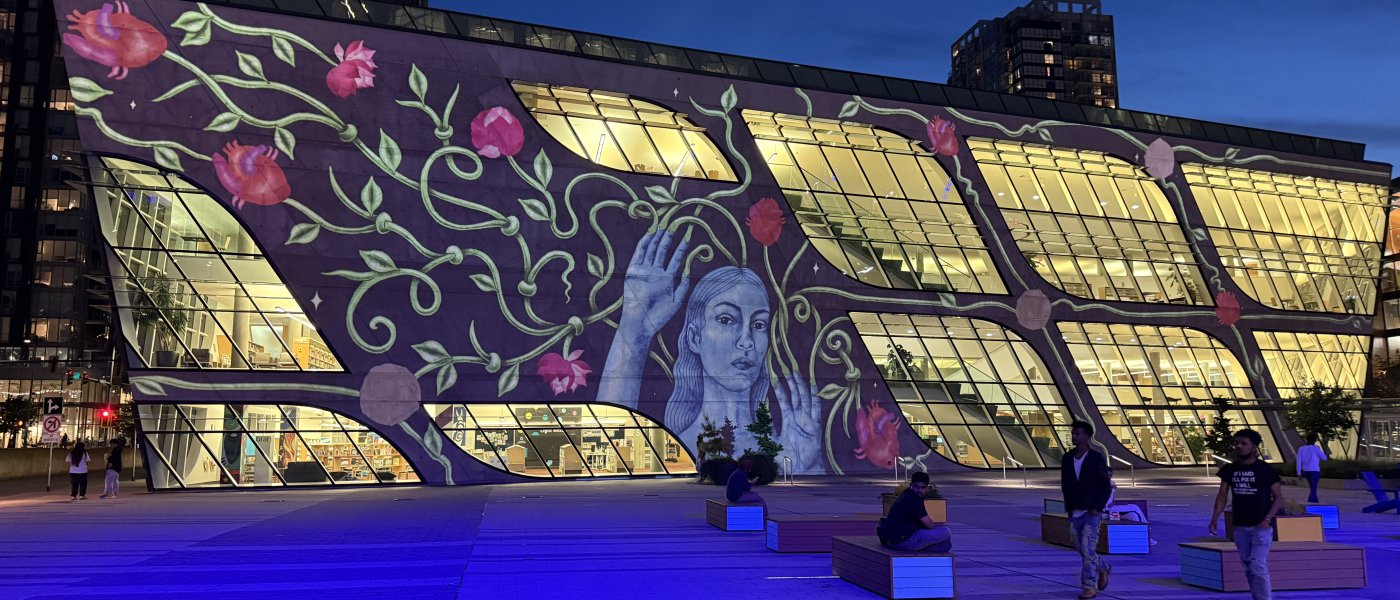
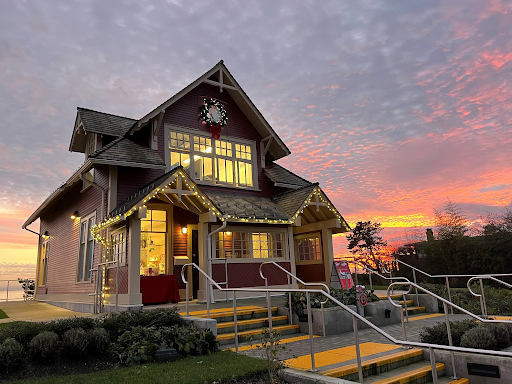





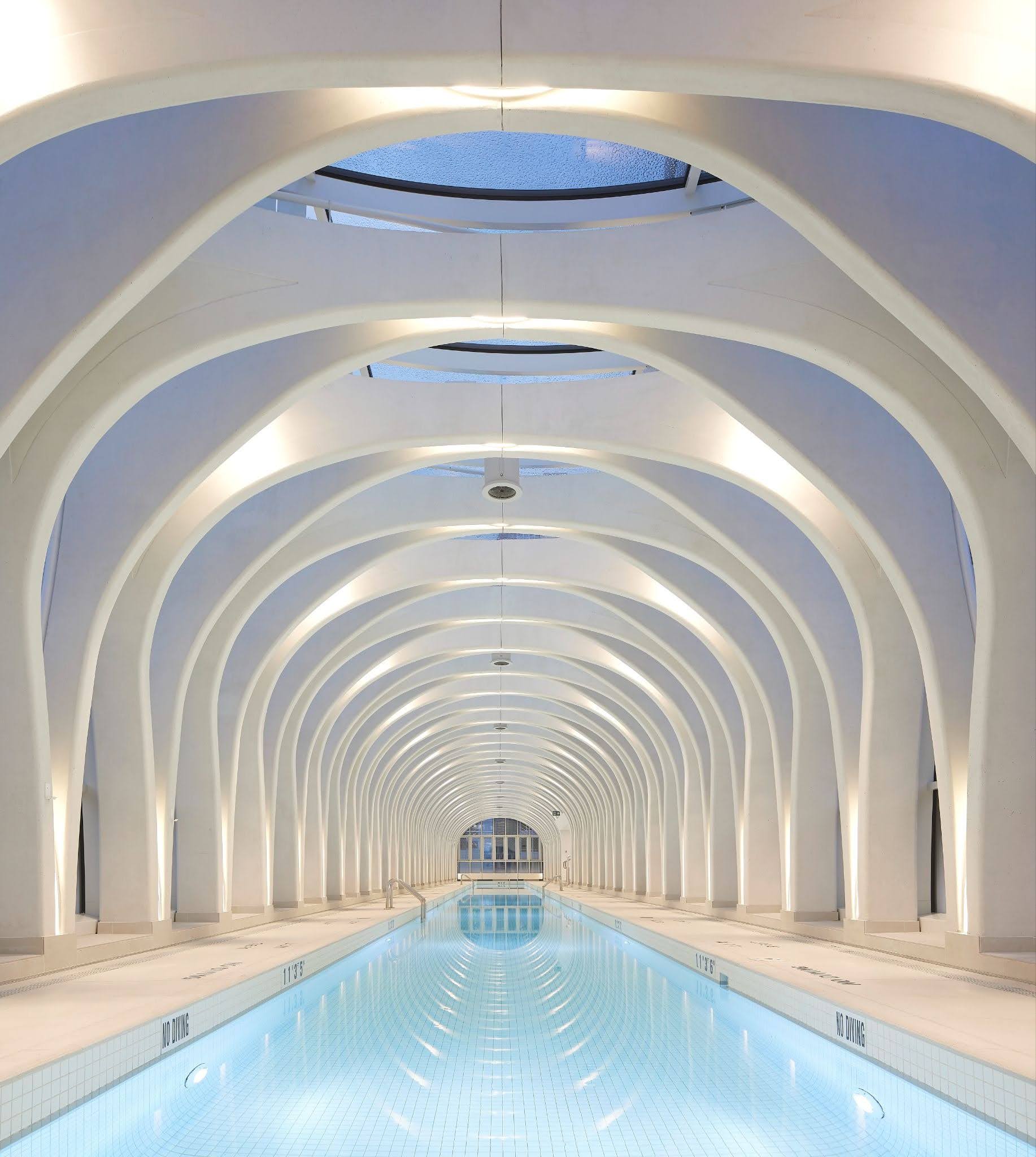
While dreams might not always be rational or even grounded in reality, they can still affect the world we live in. It’s a concept the West Vancouver Art Museum uses as an invitation to its latest exhibition, Dreamers: The Art of Revery Architecture. Assembled by Guest Curator Adele Weder, the show explores the work of Revery Architecture and the vision of Venelin Kokalov, its design principal. Revery is a West Coast design firm that has been instrumental in shifting the medium towards using art as its starting point. Take a look at the landscape of prominent buildings built in Vancouver over the past 15 years alone, and you’ll notice a dynamic evolution from nondescript work-and-routine spaces to a skyline filled with large-scale art pieces that challenge how we think about living and occupying space.

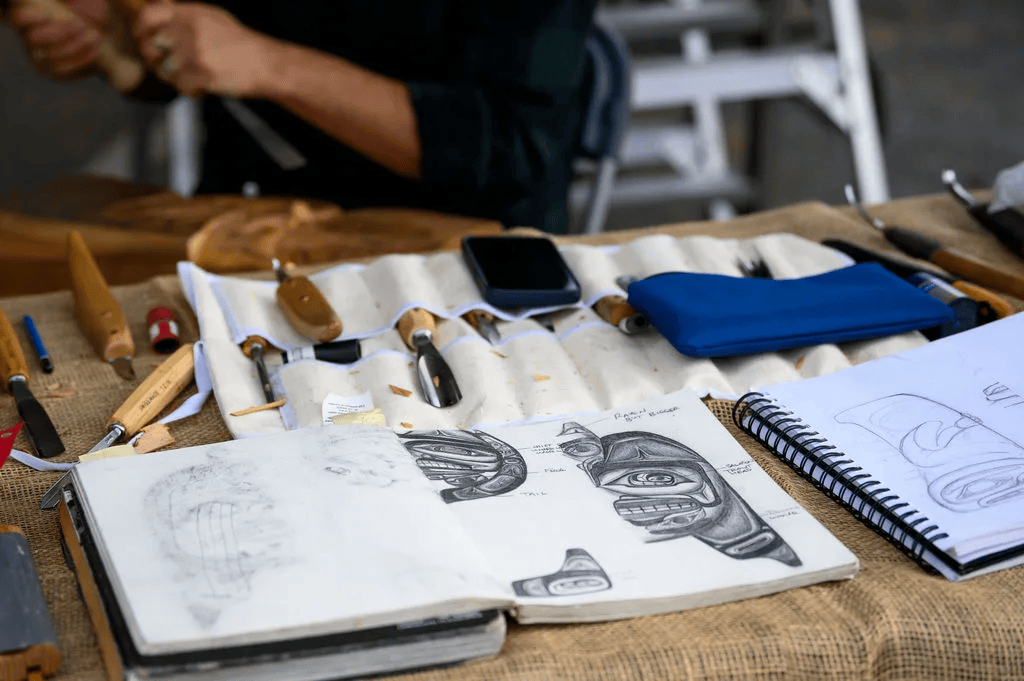
Venelin Kokalov came to Canada from Bulgaria in 2002 and worked with the renowned architect Bing Thom until Thom’s passing in 2016. Since then, the firm has rebranded as Revery, and Kokalov has continued to carry out Thom’s vision of elevating the medium to even loftier creative heights. Beginning each project with a series of hand drawings and sketches, he engages in a more emotionally grounded process that, at times, is closer to poetry than to design. The process captures the fluidity of thought that can’t always be captured in the more modern avenues of the digital age.
Dreamers explores the liminal space between expression and creation, which Revery has become well known for. The show is an impressive reminder that there is always room for expression, even in the creation of the walls, ceilings, and floors that contain our lives, and host our dreams.
Dreamers: The Art of Revery Architecture is on now at the West Vancouver Art Museum until July 18, 2026.
For more information, visit the show page here.