By Jaclyn Hayward
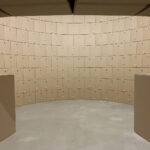
As you head indoors to hide from the rain this month, consider taking a mindful detour to Centre A Gallery in Chinatown. Their latest immersive exhibit, Revolving: a family tale by artist Sona Safaei-Sooreh, presents a cross-generational story of Iran’s semi-colonial oil industry.
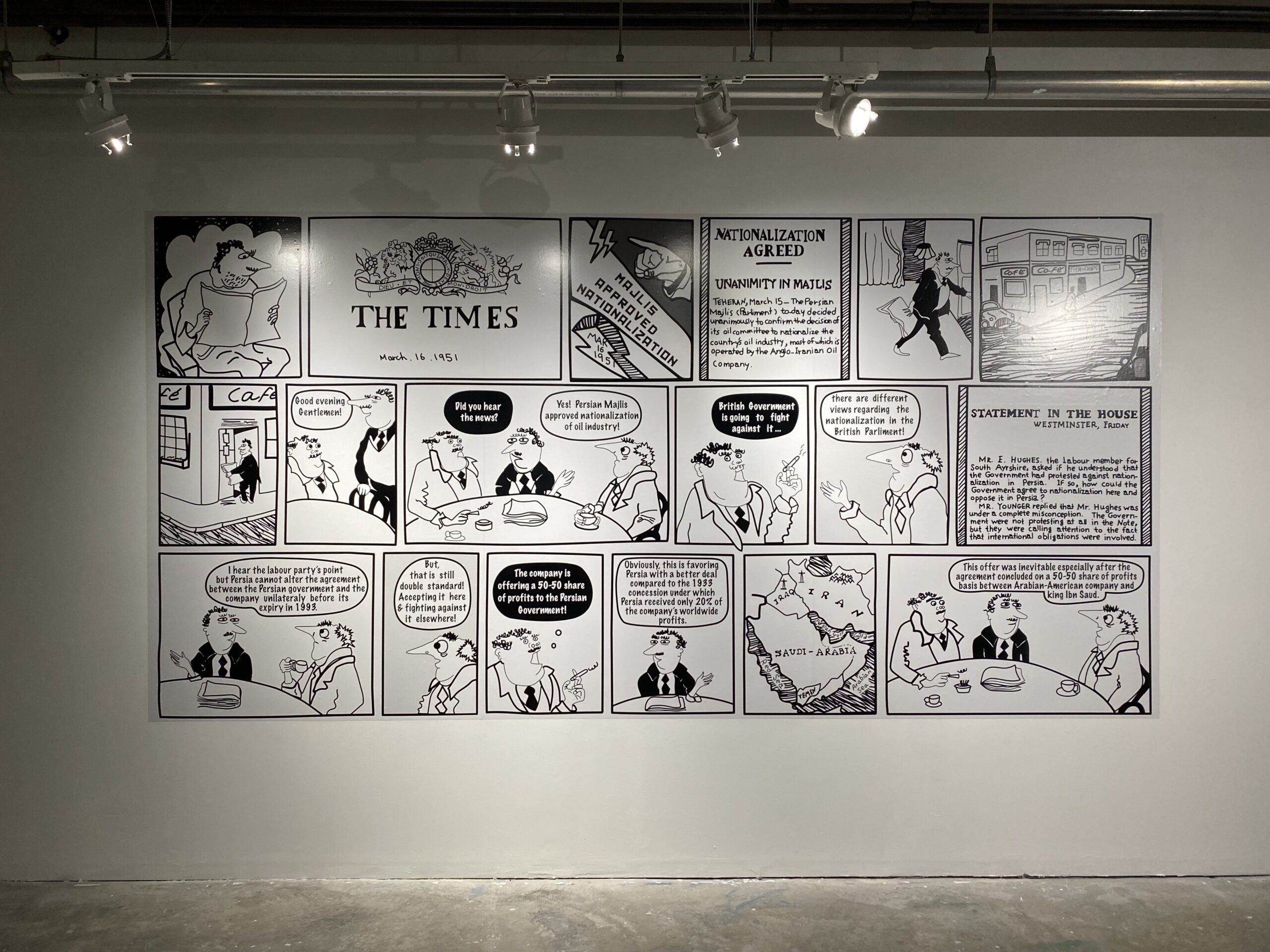
Presented in black on white, the stark visuals of the show unfold over the gallery’s echoing concrete floors, like oil over water.The colorlessness of this world feels purposeful like it represents a specific time and place but also the void between industry and people.
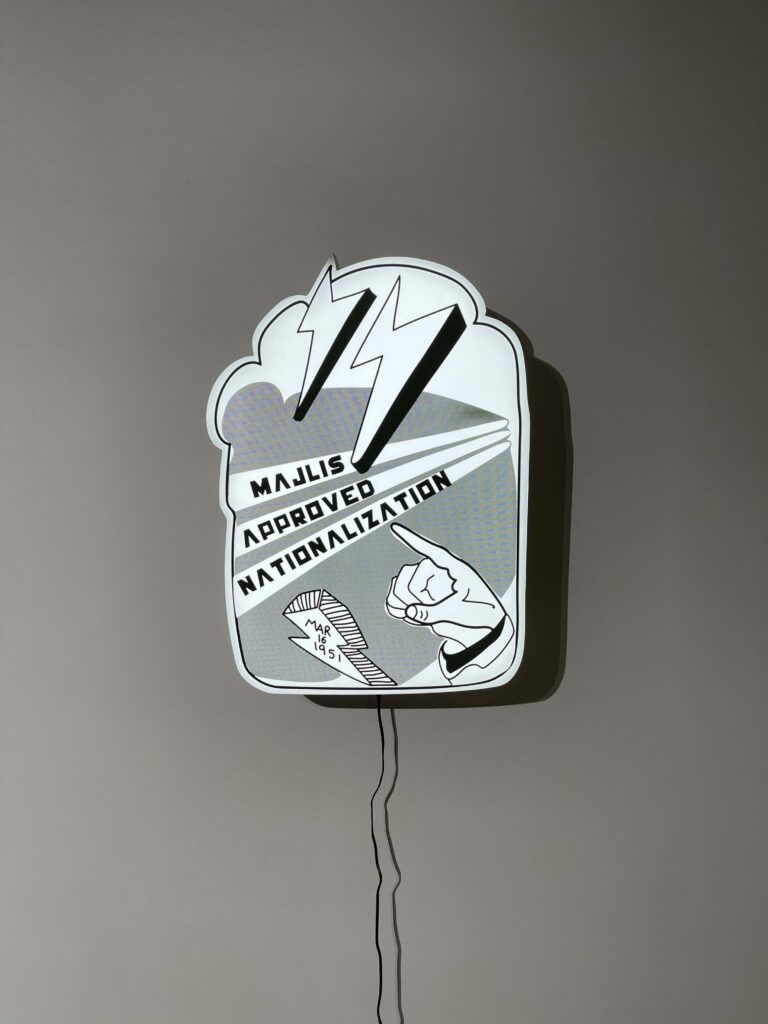
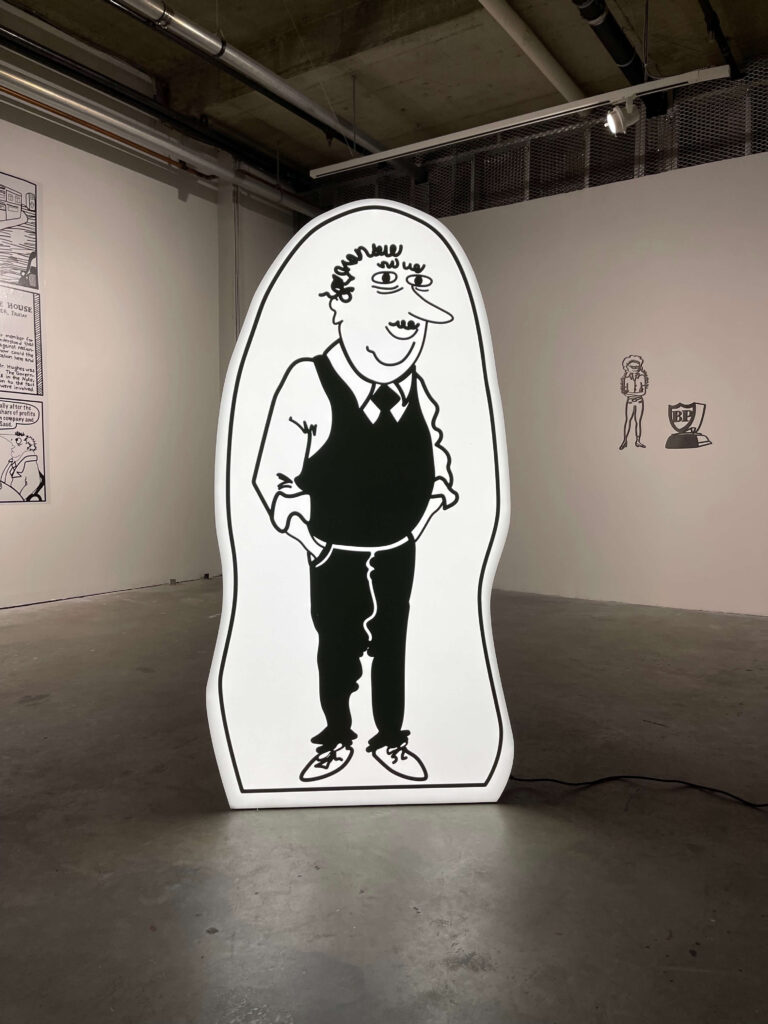
Even though you might not have been around in the 1950s, Safaei-Soore’s stories and visuals (inspired by mid-century-era British Petroleum ads) feel uncannily familiar. Political economy is timeless and wears a name and face here, with words like “double standard” and “50-50 share of profits” spoken by cigarette-wielding men with wiry moustaches.
While we enter the exhibit having our own view of international economic relations and oil industry happenings, we get to pause and absorb it all as displayed parallelly and relationally, in past and present
The multiple mediums of strip-style images and propaganda-esque portrayals are a great way to spend an afternoon exploring, learning, and soaking in both history and issues of present day. Centre A is a great space to pause and reflect amidst the bustle on this busy Vancouver block.
The gallery is open Wednesday to Saturday afternoons until late November so take some time out of your day and transport yourself into this telling tale.
Revolving: a family tale will be showing until Nov 27
*All photos are courtesy of Sona Safaei-Sooreh
For more details:
centrea.org
@centre_a