





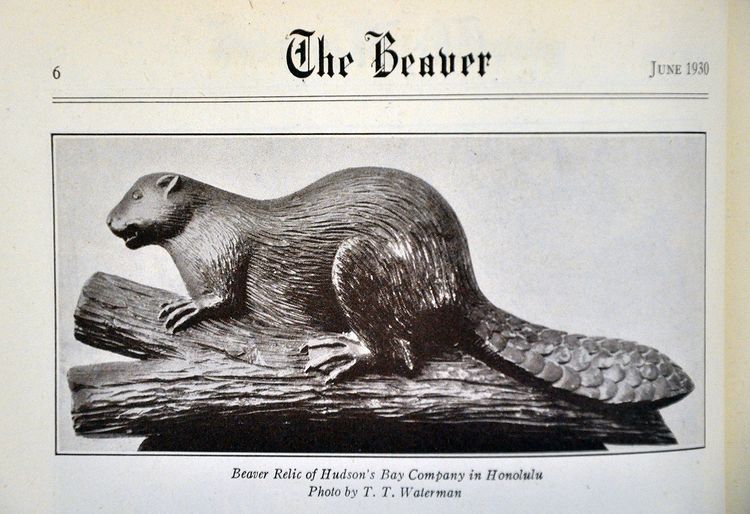
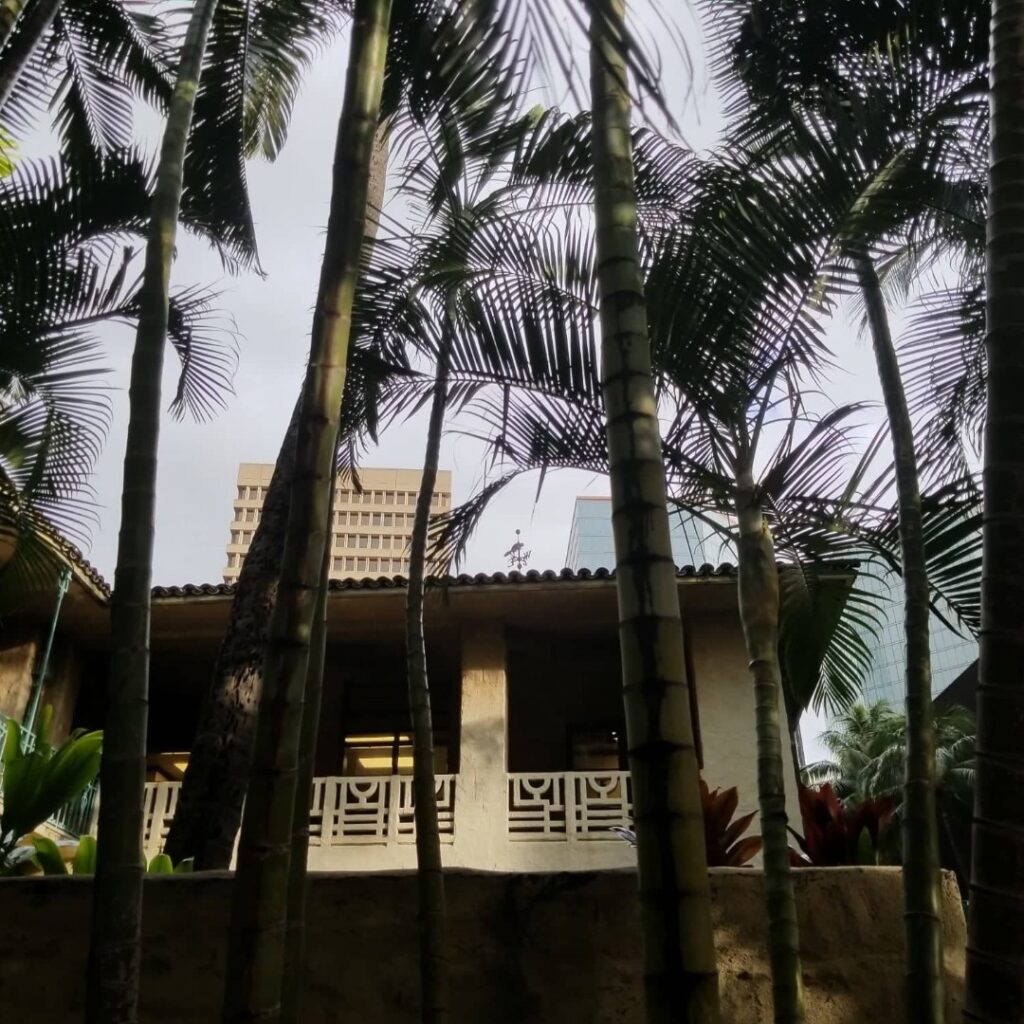
The current exhibition at Fort Gallery in Langley, The Brewer Beaver, explores the connection between the historical area and the Hawaiian Islands of all places. Staged by artists Andrea Nunes and Brady Cranfield, the show’s centrepiece is a miniaturized replica of a weathervane that currently resides in downtown Honolulu. If you’re wondering if beavers are native to the islands, no they’re not. However, Hawaii was home to the Hudson’s Bay Company from 1829-1861, which is how our nickel-riding friend arrived in the tropics.
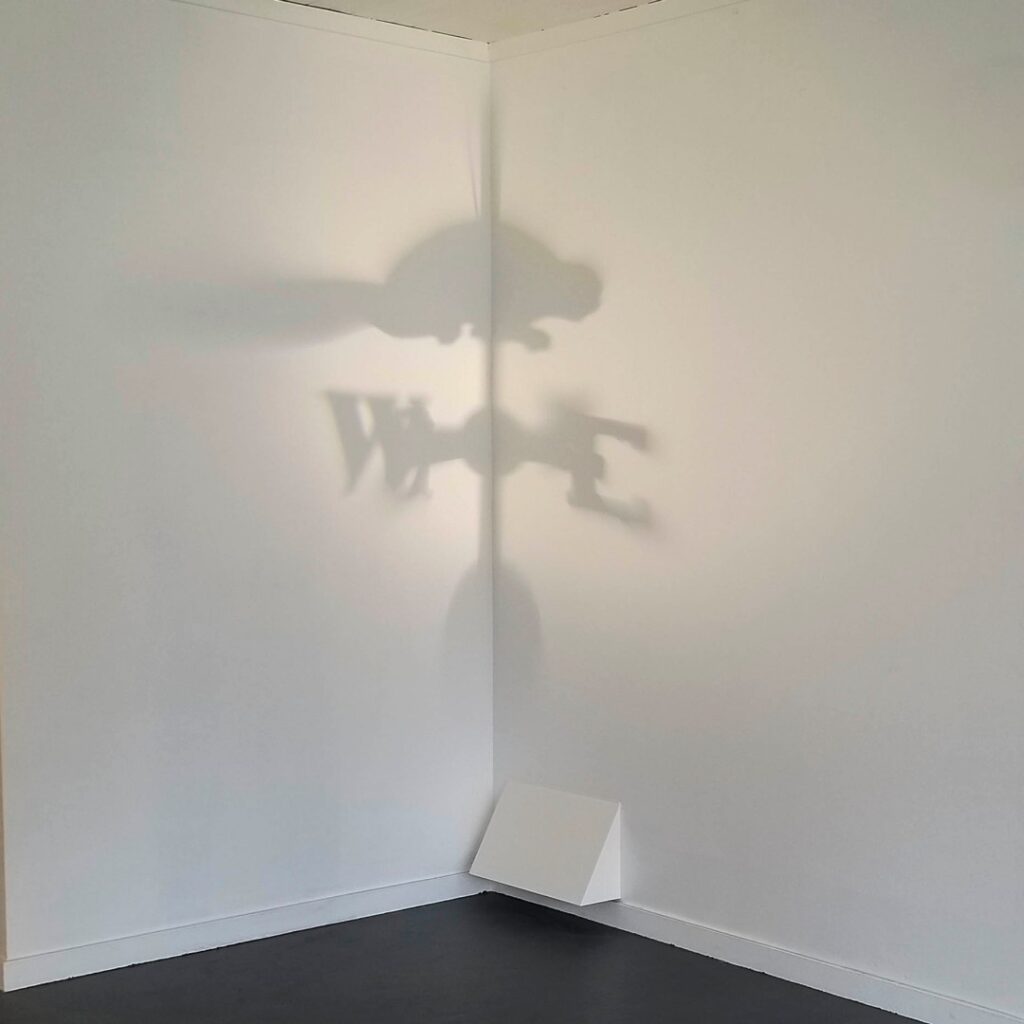
With a light shining through the tiny weathervane, a long shadow is cast across the far wall of the gallery, and so the narrative crafted by Nunes and Cranfield begins. Much like the cool shade stretched across the stark white surface, a history of colonization and colliding cultures runs throughout the history of both connected settings. Through the research of the two collaborators, we’re taken on a journey that conveys how these shadows of the past are still reaching into present-day and affecting the daily lives of the people in both places.
With a collection of both historiographic and newly produced images and sounds, it’s a deep dive into how history can run parallel when issues of human interest and equality are present.
So often defined by our tourism photos and idealized version of nature, The Brewer Beaver gives a more realistic take on how both BC and Hawaii relate to each other despite being separated by oceans of water and time.
The Brewer Beaver is on until January 29
For more info, visit fortgallery.ca





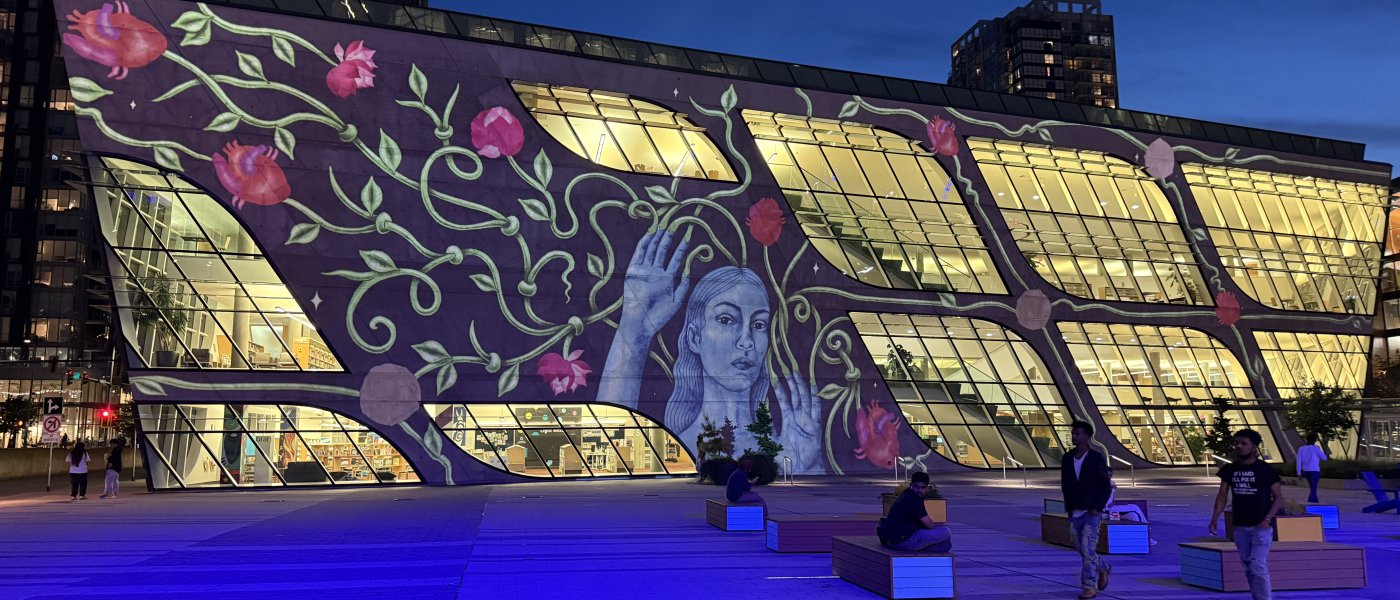


This exhibit is a continuation of the journey of reclamation and rebuilding bonds of cultural knowledge. An original reboot of the Tāpis exhibit, it adds three new makers now holding the knowledge of tāpis/tuppies (dog blankets).
When Adele ᒪᐢᑿᓱᐤᐃᐢᑵᐤ asked to be taught this knowledge from her mentor, it was with the intent of restoring important cultural knowledge taken from so many Northern Nations. For this cohort, Adele ᒪᐢᑿᓱᐤᐃᐢᑵᐤ chose makers who exhibited personal and cultural ethics close to her own, along with levels of skill necessary to undertake such a large project. “Each of these blankets takes a minimum of 200 hours (or more) to be brought to completion. It is with great pride to be able to showcase this exhibit. It has been created to show the beauty and celebration of dog regalia as completed by Michif, Dene, and other Nations to celebrate our valued dog kin.”
Originating from the Métis, Northern Cree, and Dene communities, ‘li tāpis’ (small carpet), named by the French Michif and known as ‘tuppies’ by the English and Scottish Michif, are dog blanket regalia created to celebrate dogs. Tāpis are made from wool and embellished with intricate beadwork, silk embroidery, moose or caribou hair tufting, fringed with ribbon or yarn and adorned with bells. Showing respect for sled dogs, tāpis were draped over the backs of dogs.