


By Wade Kinley
Where do we stand? What do we stand for? And how much of any of it can we stand?
These questions are at the heart of the first exhibition at the SFU Gallery in almost two years. The view from here: Collections from the SFU Art Collection brings together pieces from five decades that explore what it means to occupy a space, and in particular to the natural surroundings of this land we call British Columbia, what happens to that space when we occupy it, by right or by might.
As curator Karina Irvine puts it, “These artworks reflect on the shared sacrifices of bodies and land at the expense of a capitalist economy and the critical importance of embracing an ethos of sustainability.”
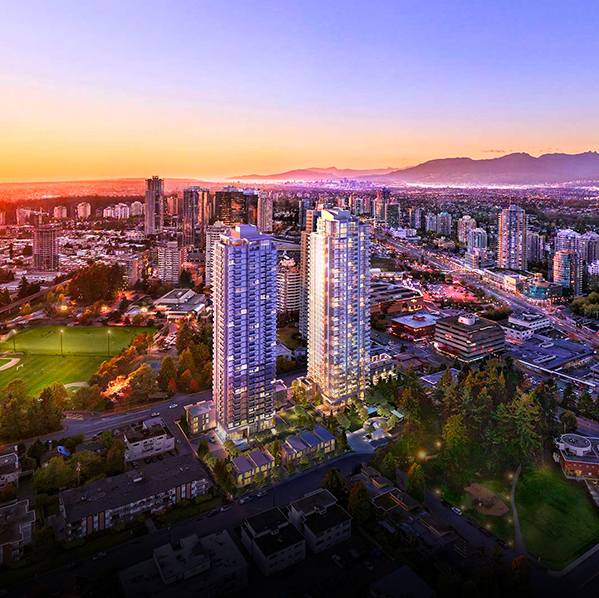
As you enter the gallery, Allyson Clay’s Stereo Library: Double Tower presents a split-screen of the ubiquitous glass high-rise towers of BC’s most populous city and a mirror, immediately inviting you to put yourself inside the space of occupation and gentrification, and begin to examine your own role in it.
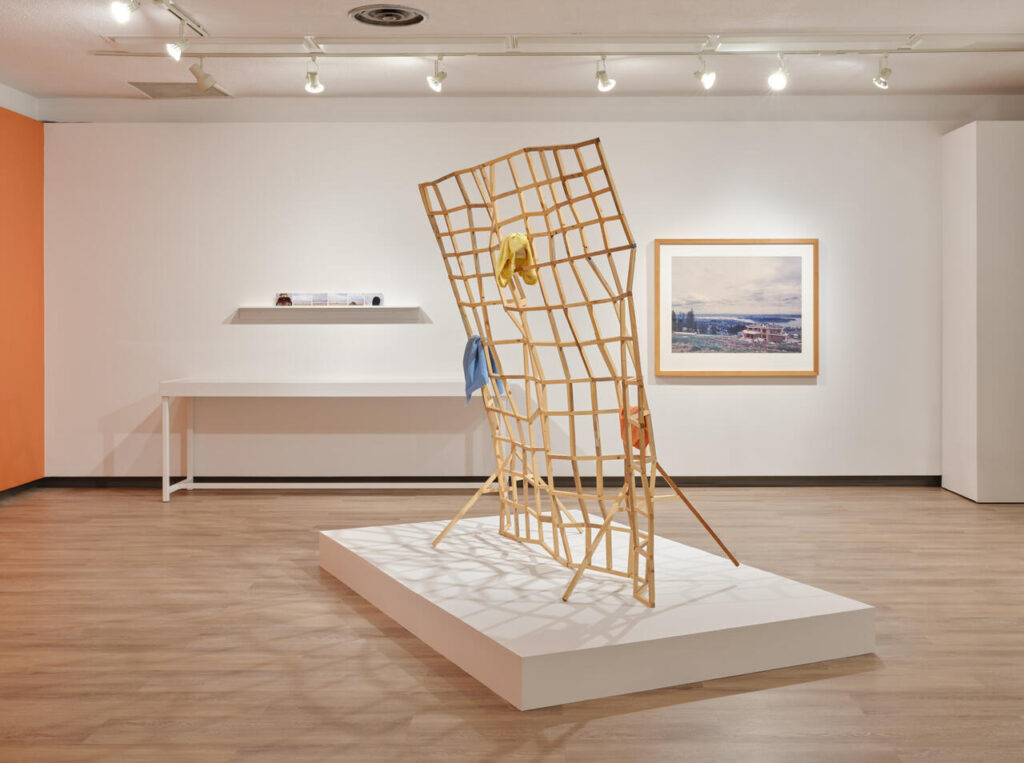
A collection of classic punk rock songs with something to say about the politics of wealth and capitalism, as only punk rock songs can, tear through the headphones of 10 Riot Songs by Vancouver artists and musicians Cranfield & Slade. They appear to emanate from a blood-red vinyl record like a bullet hole wound, a recording of a concert staged at the Candahar House during the 2010 Olympics, an event itself marked by angry protests against displacement in the name of capitalist gain.
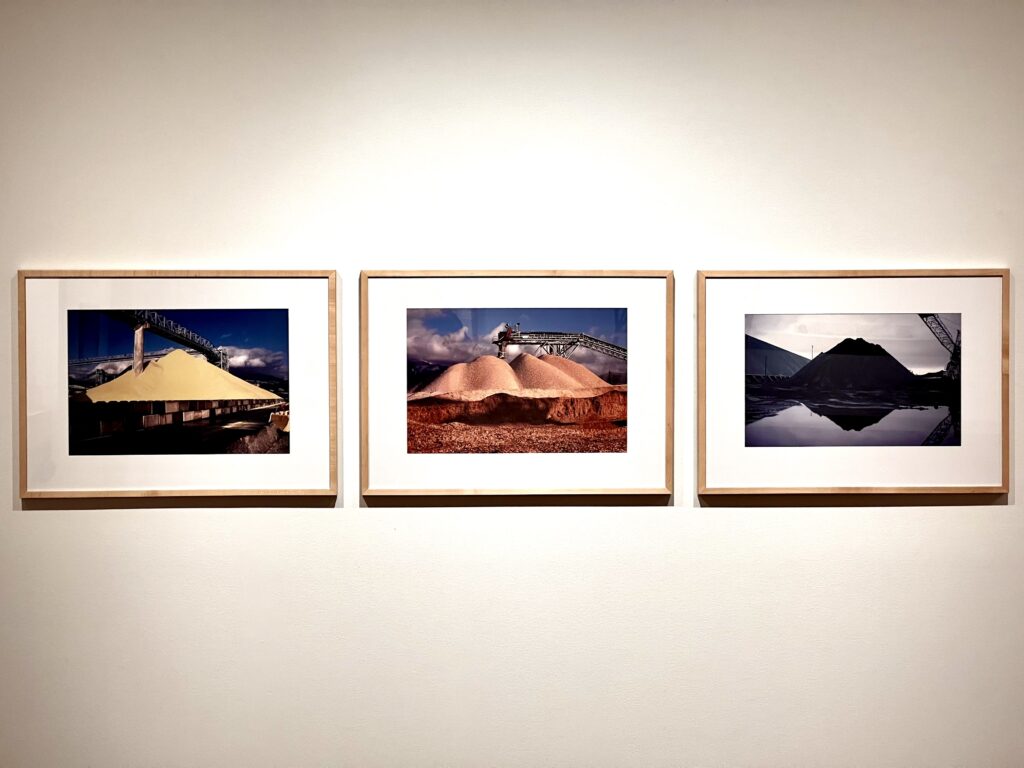
In Mountain View, a triptych of photographs by Sandra Hanson, we see what from afar look like very familiar alpine landscapes, but in reality are very much man-made, and not just that, but made from what we have extracted from the earth for our own, also man-made, purposes: sulphur, wood and coal.
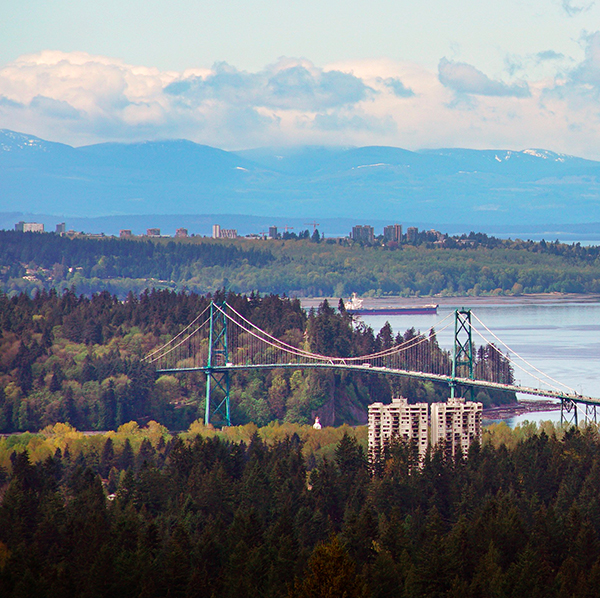
The neon yellow mountain of sulphur pictured here is very familiar to Vancouver residents, or anyone who has gazed out east from the Lions Gate Bridge, sitting as it does just across the water from downtown at North Vancouver Sulphur Works where it is processed from the Alberta tar sands and shipped worldwide. In this show, it appears two more times in other works (we’ll let you discover where on your own), again reminding us that while we stand in a room full of manufactured pieces of metaphor, we stand in an actual place in space and time. In fact, we stand within it, and our presence alters what we see.


This exhibit is a continuation of the journey of reclamation and rebuilding bonds of cultural knowledge. An original reboot of the Tāpis exhibit, it adds three new makers now holding the knowledge of tāpis/tuppies (dog blankets).
When Adele ᒪᐢᑿᓱᐤᐃᐢᑵᐤ asked to be taught this knowledge from her mentor, it was with the intent of restoring important cultural knowledge taken from so many Northern Nations. For this cohort, Adele ᒪᐢᑿᓱᐤᐃᐢᑵᐤ chose makers who exhibited personal and cultural ethics close to her own, along with levels of skill necessary to undertake such a large project. “Each of these blankets takes a minimum of 200 hours (or more) to be brought to completion. It is with great pride to be able to showcase this exhibit. It has been created to show the beauty and celebration of dog regalia as completed by Michif, Dene, and other Nations to celebrate our valued dog kin.”
Originating from the Métis, Northern Cree, and Dene communities, ‘li tāpis’ (small carpet), named by the French Michif and known as ‘tuppies’ by the English and Scottish Michif, are dog blanket regalia created to celebrate dogs. Tāpis are made from wool and embellished with intricate beadwork, silk embroidery, moose or caribou hair tufting, fringed with ribbon or yarn and adorned with bells. Showing respect for sled dogs, tāpis were draped over the backs of dogs.