





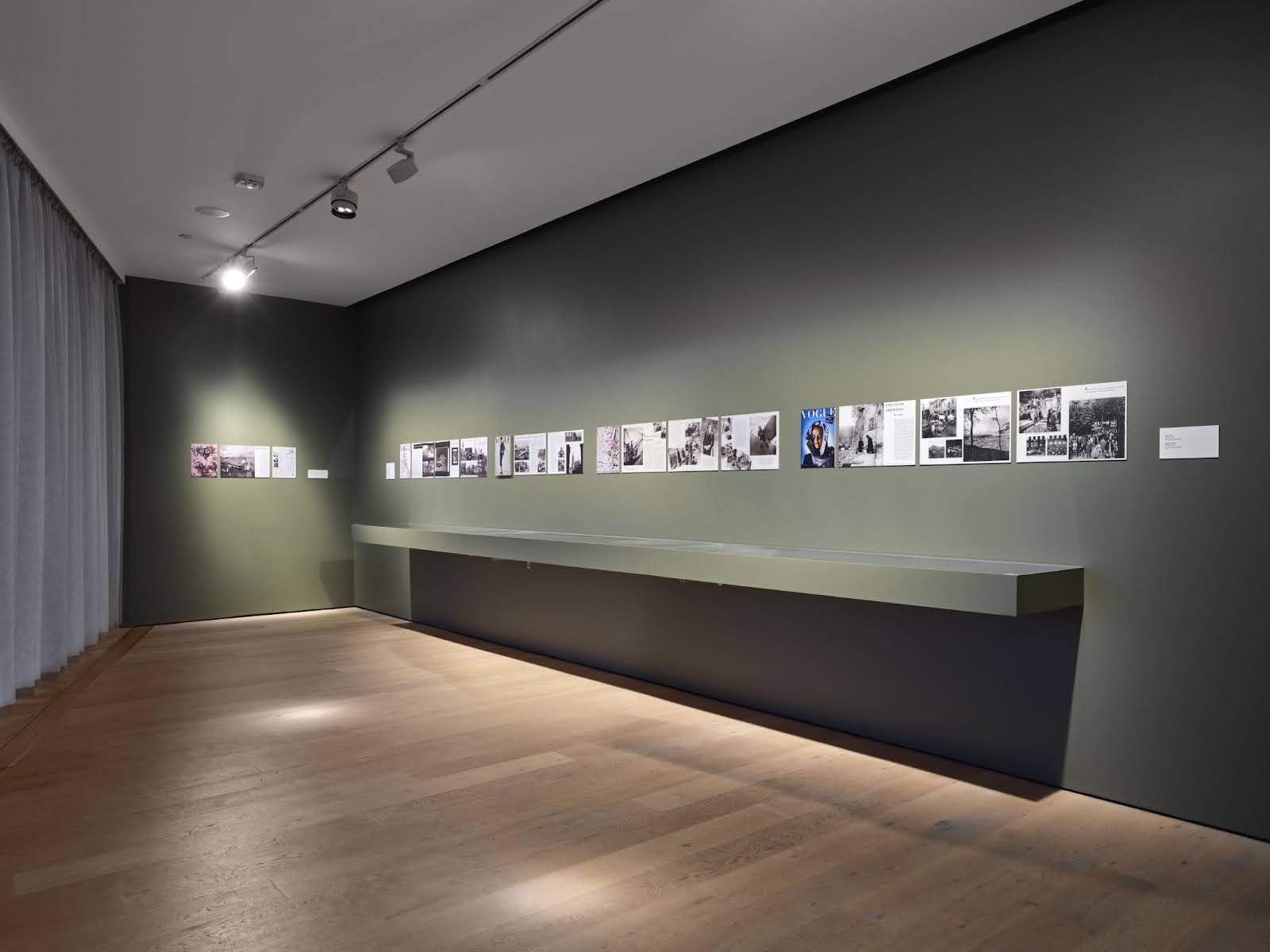
From commercial model to fashion photographer to World War II media correspondent, Lee Miller’s story could easily span several lifetimes. An American artist, writer, and photographer, the impressive span of Miller’s career can be seen at the Polygon Gallery’s current exhibition, Lee Miller: Photographer at Work (1932—1945).
While she might not yet be a household name in comparison to some of the artists she socialized and collaborated with, like surrealist Man Ray, thanks to this thoughtfully curated, lovingly shared exhibit, you can experience the brilliant photographic eye that Miller is renowned for by those in the know.

The show celebrates how Miller viewed and adapted to the ever-changing world around her, whether it be the New York fashion scene of the 1930s, the London Blitz, or the aftermath of the Normandy invasion.
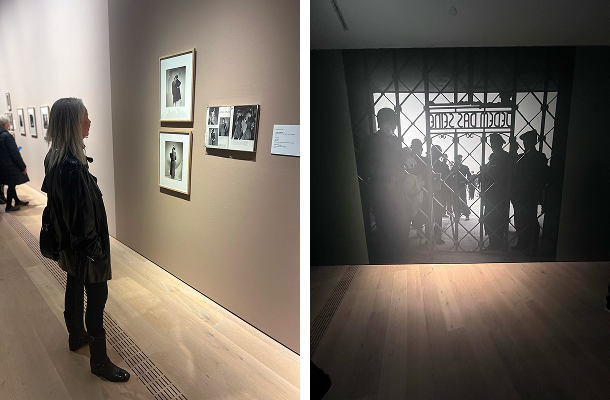
With that wide breadth of experience, her life offers numerous interesting diversions to follow. Her displayed portfolio includes visual elements such as portraits, fashion, surrealism, and intimate pieces of her life, including dispatches, articles, and letters.
Beautifully staged by curator Gaëlle Morel, Photographer At Work is like walking through the life and mind of a prolific artist. One that you might not know right off the bat, but one whom you’ll gain a new appreciation for her vision, work ethic, and perseverance.
Be sure to visit this wonderful show before it closes on February 1, 2026!
For more info: https://thepolygon.ca/exhibition/lee-miller