


Investigation of Things, a new exhibition on now at the Dr. Sun Yat-Sen Classical Chinese Garden in Vancouver, takes a look at how we look at the world around us. While traditional Chinese and Western art seemingly live in two largely disparate perspectives, this show attempts to build a bridge between the two cultures, and ultimately shows us that that gap is not quite as far as we think.
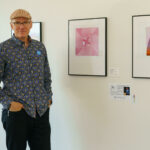
Curated by artist-in-residence at Dr. Sun Yat-Sen, Lam Wong, and Chinese-Canadian artist Steven Dragonn, Investigation of Things showcases both Chinese and Canadian artists as part of the inaugural project of the Canada-China Art Exchange Exhibition for Young Emerging Artists. The show’s title comes from an ancient Chinese term for the observance and study of the world in order to understand how life works, and is the basis for traditional Chinese art. Which differs from the largely Western emphasis on subjective, personal expression.
“Individualism is much stronger in Western art,” explains Wong. “Whereas meaning in Eastern art is much more connected to nature, to the oneness.
“It’s why we wanted to open this dialogue and encourage the exchange between East and West because of the very different ideas about things. But we can find balance because the East can learn from the West, and the West from the East.”
As a new generation of Chinese artists emerges, having grown up exposed to modern art, and now freer to explore their own way within it, they are taking on a more Western approach. Yet still they hold on to the long line of artisan craft they come from.
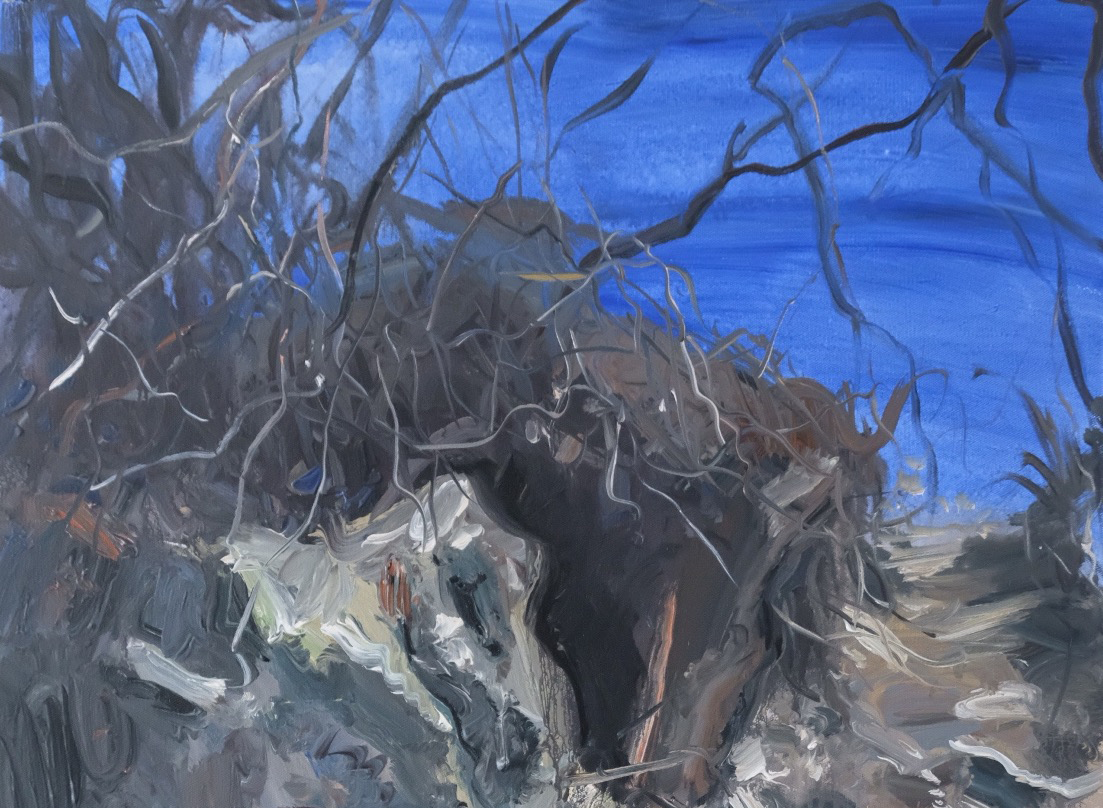
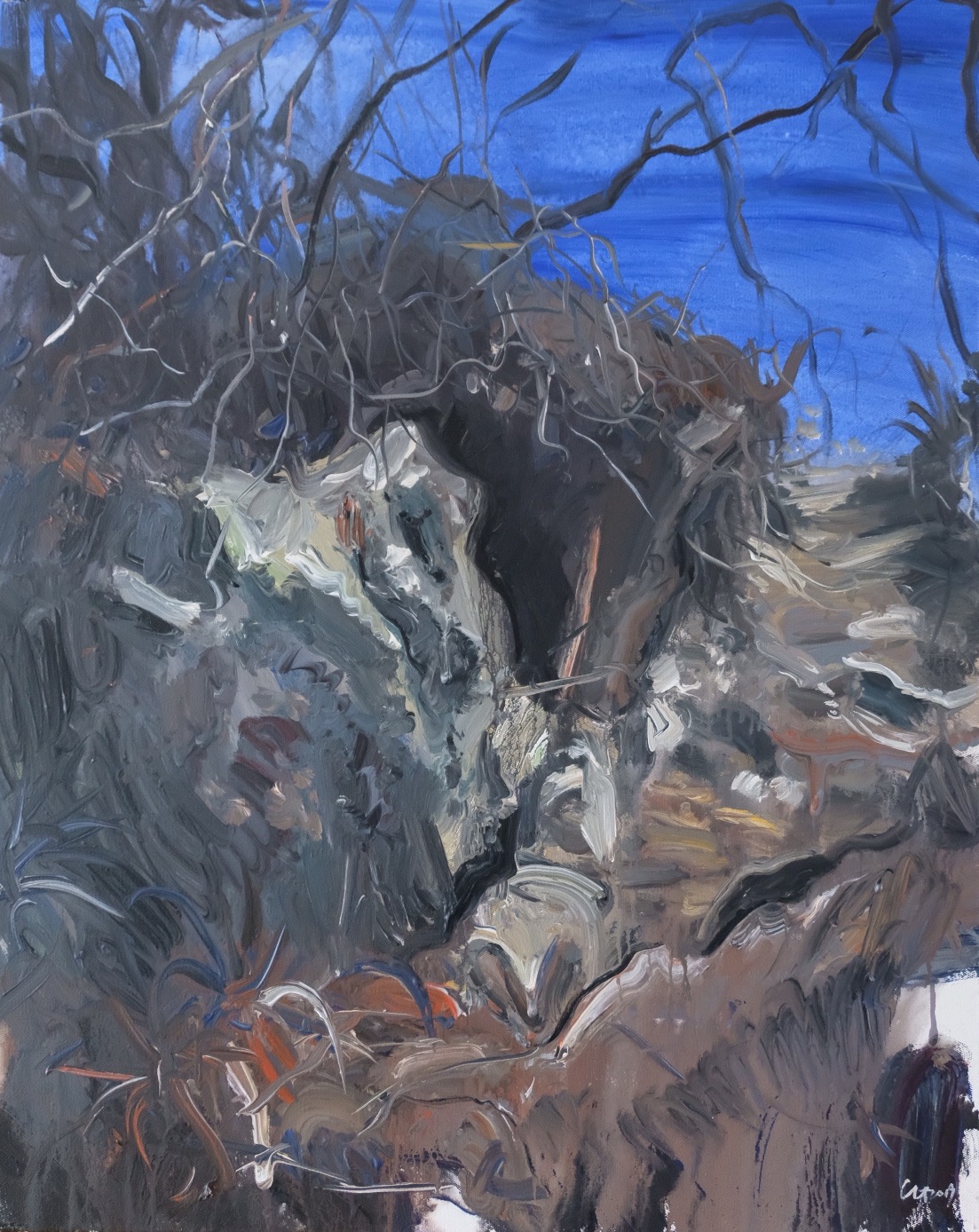
Take the work of Gen Chen from Liuyang in Hunan Province, in his oil paintings on display. In xLandscape2, the observance of a natural scene is evident, but is distorted by large swaths of colour and emotive brush strokes. He says he paints to “question the justice of realities where he lives,” and you can see the artist’s confusion and inner turmoil in his abstract treatment of a traditional subject.
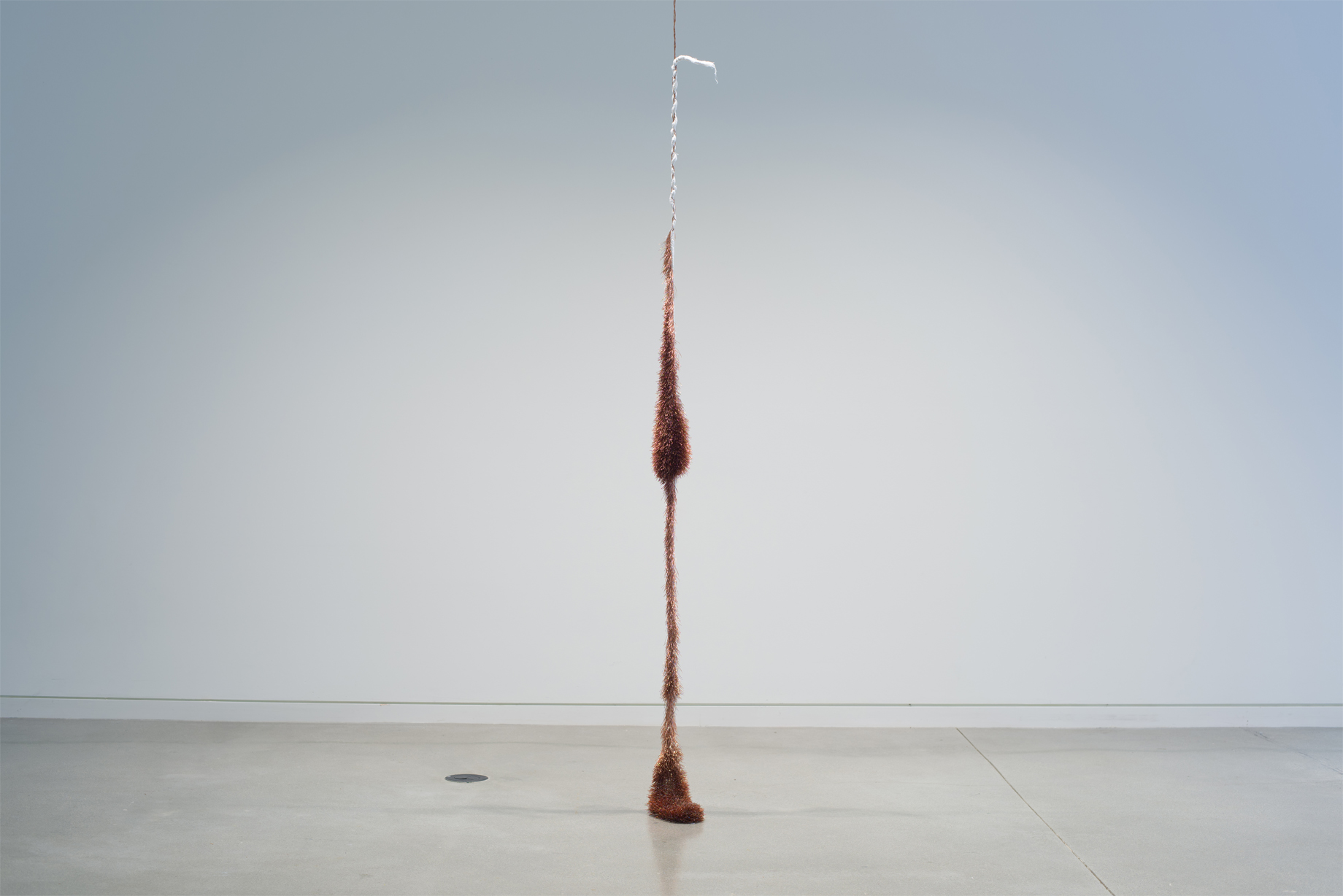
The Western artists in the show take the Eastern practice of observance and turn it inward. Jay Pahre, a queer and trans settler artist uses sculpture to study and depict the changes in his body. Guard Hairs presents the figure of a human leg, but stretched to the point of visible discomfort. In Space Blanket, Pahre has collected testosterone gel packets and sewn them into something reminiscent of the protective covering found in survival kits. From real-life objects, he expresses his view of his own personal nature.
While the methodologies of the two cultures may differ, and the perspective of each artist remains uniquely their own, what Investigation of Things proves is that the language of art is globally shared, in every thing.
“Then again, if you’re talking on a human level, you can’t even say Chinese or West anymore,” Wong says. “On a human level, emotion is emotion. Love, affection, suffering. It’s all universal.”
Investigation of Things is on now until Mar 21, 2020 in the atrium of the Dr. Sun Yat-Sen Classical Chinese Garden, 578 Carrall Street in Vancouver. Free entry, donations are welcome.
Written for West Coast Curated by Wade Kinley.