
Metro Vancouver is full of Indigenous artists who keep our community alive with expression and inspiration. But for every well-known name that stages shows at the Vancouver Art Gallery, or is commissioned for grande public sculpture pieces, there are plenty more who are coming up, ready to be discovered by a wider audience. While the following artists are far from unknown in the local art scene, we thought they could always use a bit more spotlight on the off chance you aren’t familiar with their fantastic work. Here are five young Indigenous artists whose names you should keep note of!
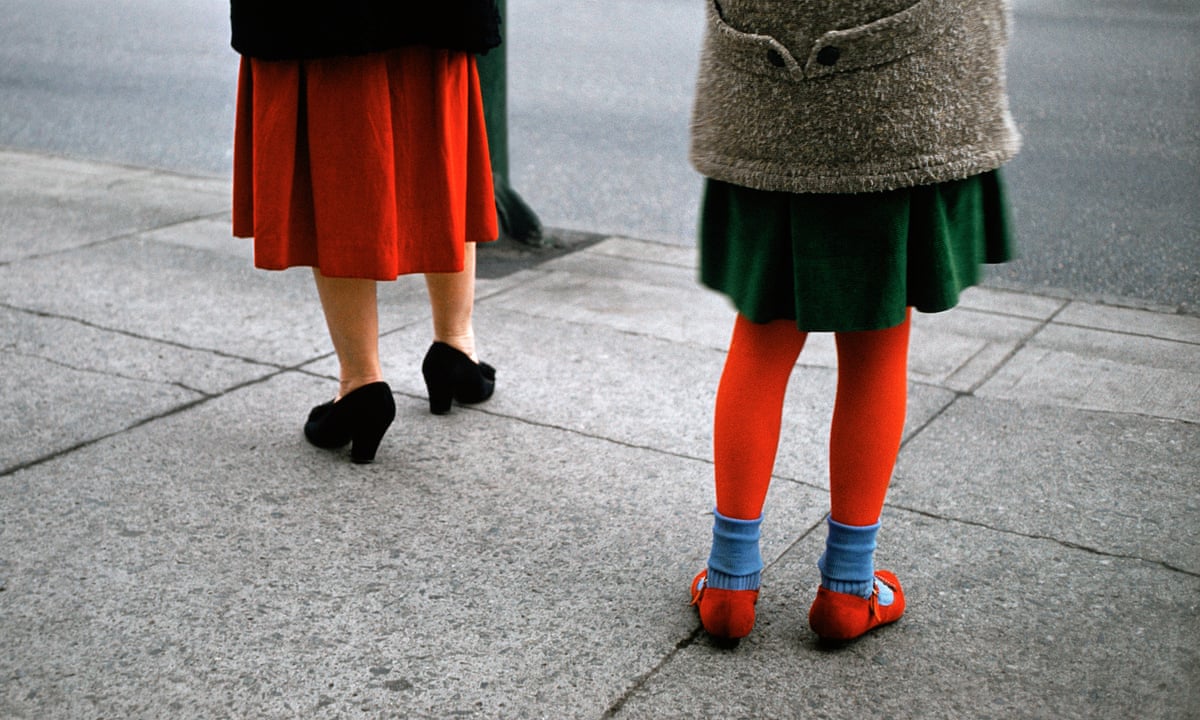
Using pop art, vibrant fashion and a bit of 90s flair, Kiesha creates works that dig into nostalgia for childhood within the frame of seeing the world as an adult. There’s a serious undercurrent to each playful piece that creates a sly tone of irony. Her work is like a visual amalgamation of all the best notes you’ve ever been passed during class.
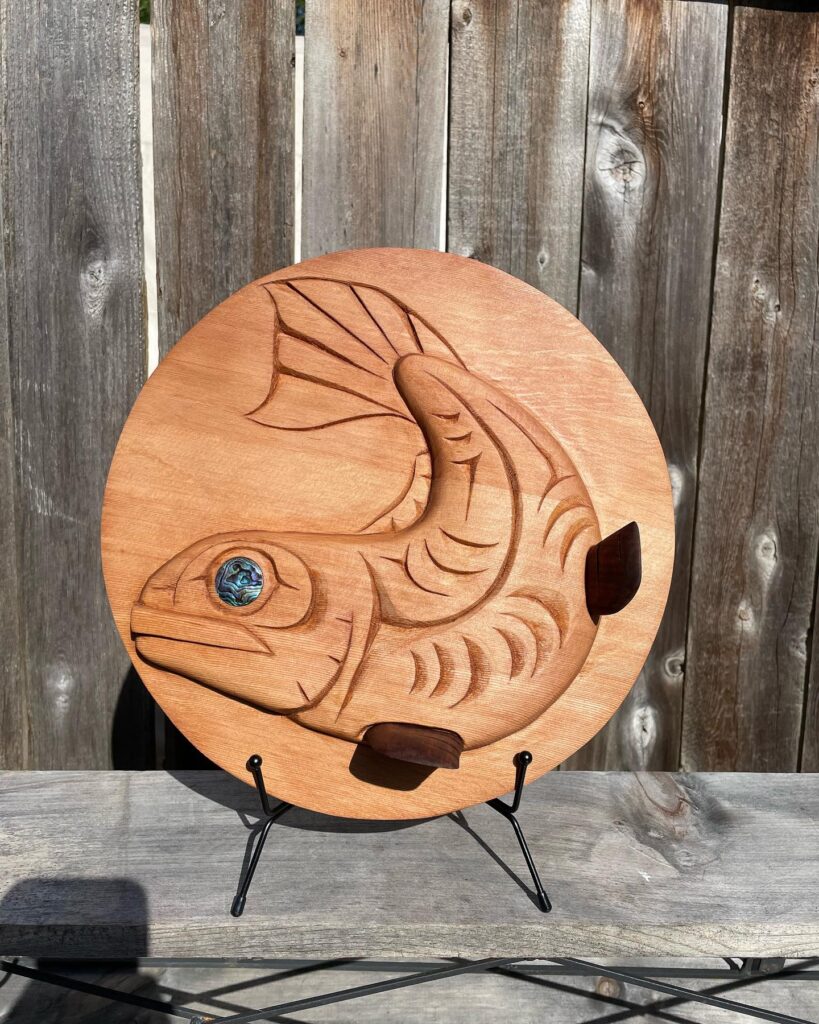
Based out of Surrey, Ryan is a prolific carver and illustrator who shines his voice through traditional Indigenous aesthetics. Having already creatively collaborated with local organizations like Vancouver Coastal Health, we have a feeling we’ll be seeing a lot more of his work across the arts community as he continues to grow his career.
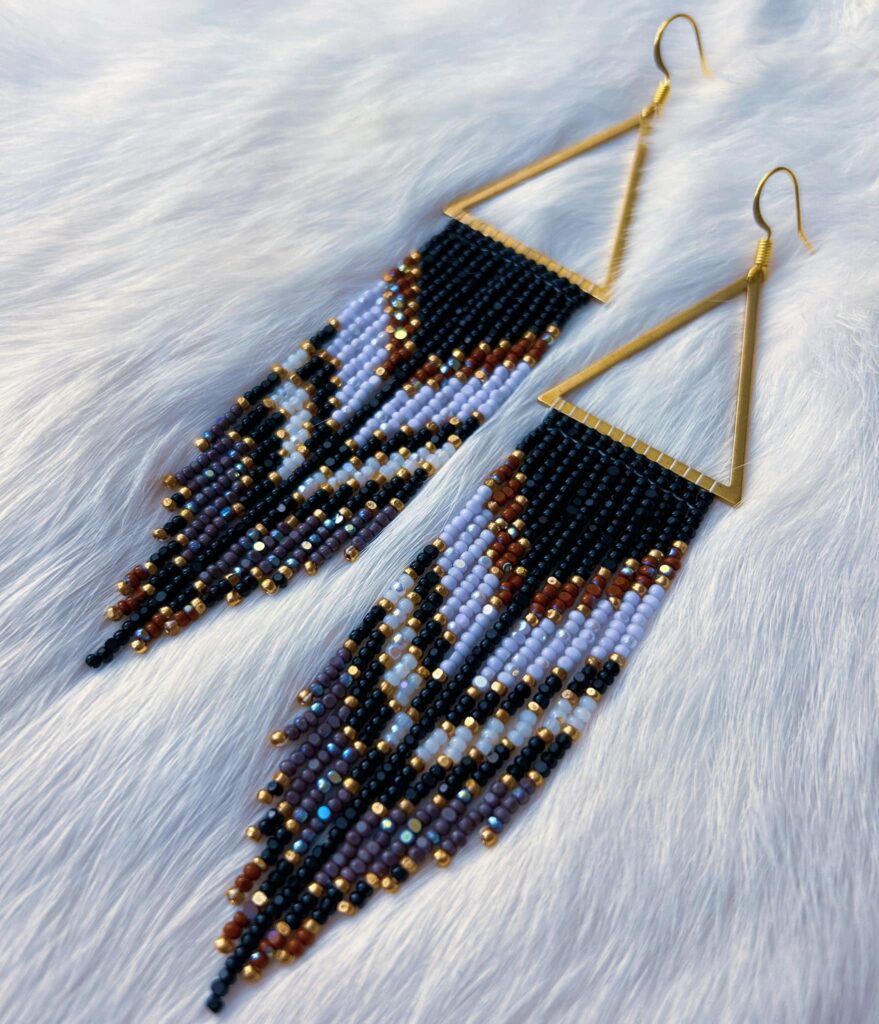
Also known as HumingBird/HummingBead Woman, Ravina creates gorgeous contemporary Indigenous jewelry inspired by her ancestral blood memory. Each handmade piece tells the story of her dedication to the craft and how she’s inspired others to join in the art of beading. Whether she’s leading workshops, or taking part in intergenerational beading circles, her work speaks to how collective art builds community strength.
Olivia George (Tsleil-Waututh)
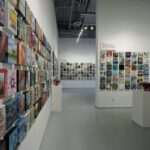
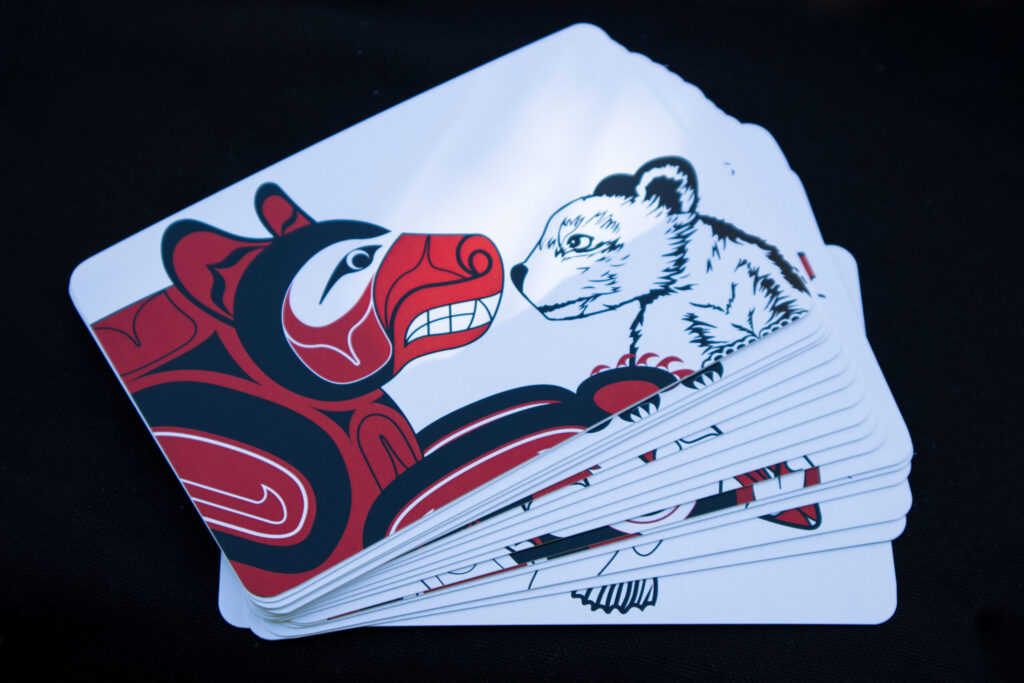
An artist and graphic designer based in North Vancouver, we’re looking forward to seeing more of Olivia’s work across different mediums! One of her projects which is available through North Van Arts, is a beautiful deck of flashcards that teaches words from the Downriver Hunq’eme’nem/hən̓q̓əmin̓əm dialect, the traditional language of the səlilwətaɬ (Tsleil-Waututh). You can also see her art on the North Shore Culture Compass site, which highlights the various animals native to the area. Keep her name on your radar, you’re sure to see more of her fantastic work in the future!
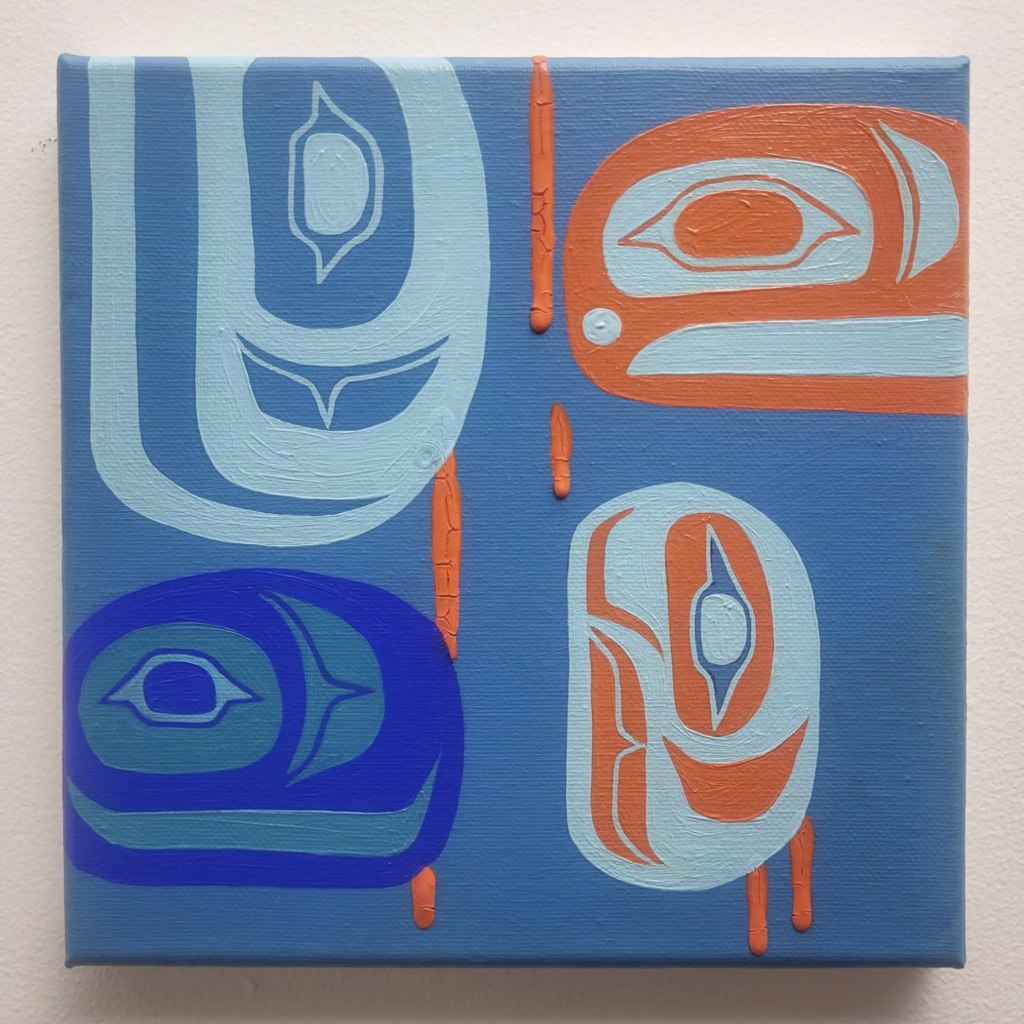
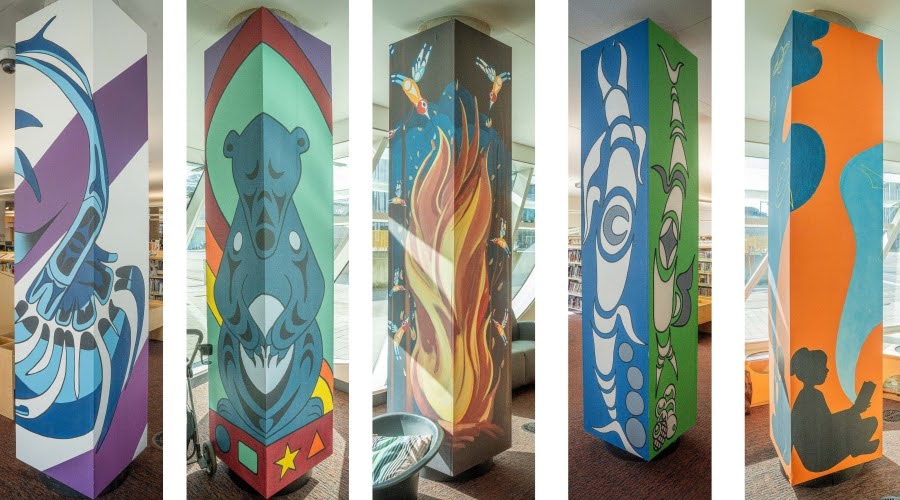
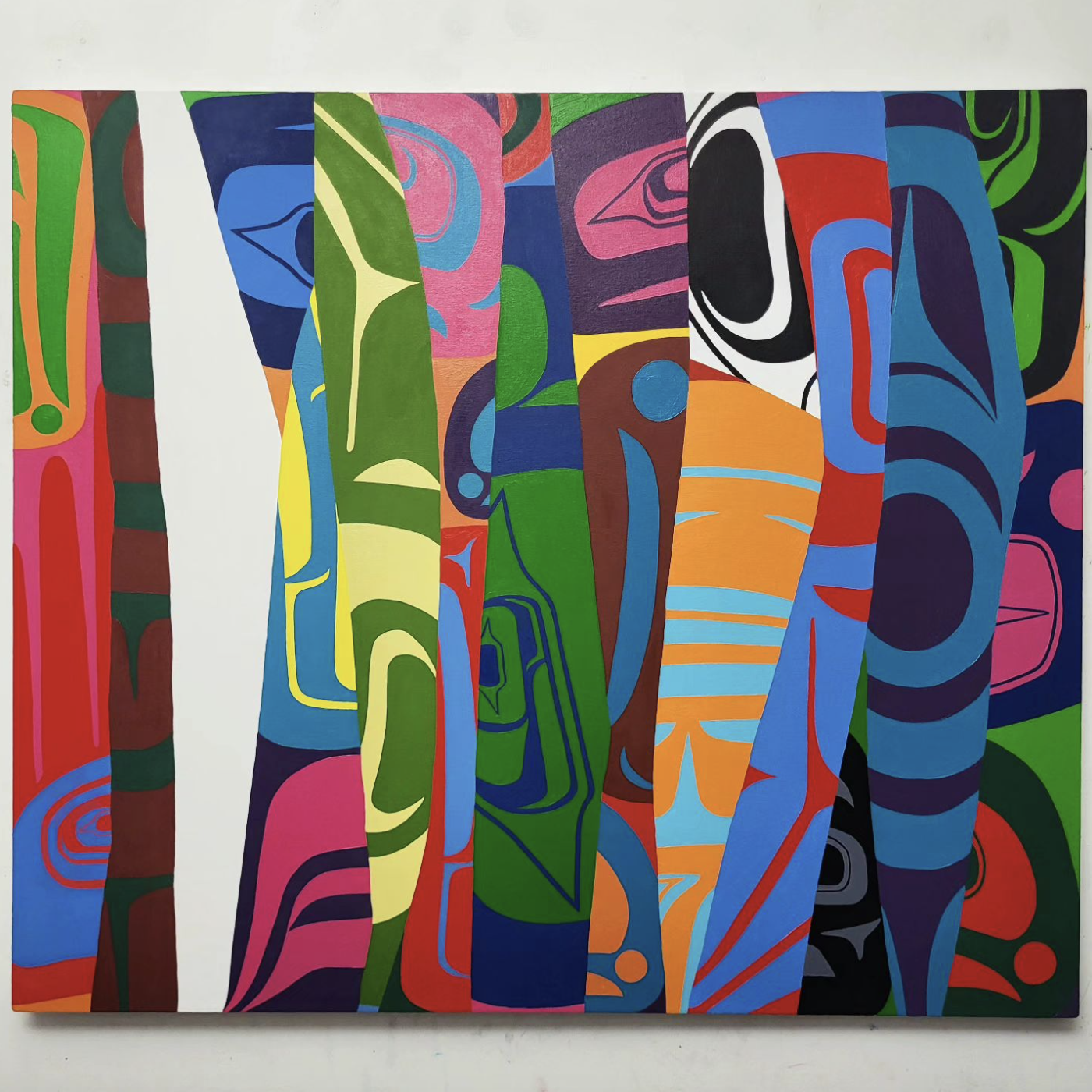
With a vibrant colour palate and bold aesthetic choices, Levi has made a name for himself across Metro Vancouver with what he describes as, “a blend of contemporary and traditional First Nations art.” While he attended Emily Carr University of Art + Design, he made waves early in his career by having his work featured at local institutions such as the Talking Stick Festival, The Museum of Anthropology, North Vancouver City Art Scape. Levi has since moved to New York, where his work continues to thrive.