We who have known tides begins from a poetic inquiry that seeks to understand what it means to exist at the edges of the Pacific Ocean. We who have known
We who have known tides begins from a poetic inquiry that seeks to understand what it means to exist at the edges of the Pacific Ocean. We who have known tides is an examination that unveils the ways in which the ocean and living in proximity to it has shaped the work of Indigenous artists, as well as their relation to territories across land and water, and their connections to communities that have witnessed the tides change for thousands of years. Drawn predominantly from the Vancouver Art Gallery’s permanent collection, this exhibition asks us to consider where we are on a deeper level, looking to the ocean as a way of understanding how this place is ever changing.
Vancouver Art Gallery
750 Hornby Street
Through the lens of contemporary artists’ engagement with the metaphorical and literal processes of fire and the spaces it creates and displaces, The Structure of Smoke includes works that problematize
Through the lens of contemporary artists’ engagement with the metaphorical and literal processes of fire and the spaces it creates and displaces, The Structure of Smoke includes works that problematize the poetic, structural and political aspects of fire. These works complicate the inherent contradictions of wildness and domestication, technological progress and social control, colonial conditions, rebirth and death. Holding a smoked mirror to contemporary society, the works in this exhibition offer ways to undo the familiar in how we approach our uncertain future.
Speculative in nature, The Structure of Smoke is associative, contextual and driven by artistic practices that disturb existing power relations and question their own conditions and structures. With a focus on ecologies, interconnectedness and relationality the works and curatorial premise consider relating to land, community, family and wildfire ecologies including the non-human. As we have seen with the migration of smoke across the globe and the birth of a regular fire season, the ways in which we live with fire require new strategies that embrace specific Indigenous and ecological knowledges and the ability to develop relations with fire beyond the spectacle and devastation of its impacts.
The Structure of Smoke is curated by Melanie O’Brian and Tania Willard and made possible with the generous support of the Canada Council for the Arts, the Province of British Columbia through the BC Arts Council and our Belkin Curator’s Forum members.
Morris and Helen Belkin Art Gallery
1825 Main Mall, Vancouver
That Green Ideal: Emily Carr and the Idea of Nature is the largest solo exhibition of iconic British Columbia artist Emily Carr (1871–1945) at the Vancouver Art Gallery in over
That Green Ideal: Emily Carr and the Idea of Nature is the largest solo exhibition of iconic British Columbia artist Emily Carr (1871–1945) at the Vancouver Art Gallery in over twenty years.
Featuring more than 100 works, it explores in-depth the artist’s obsession with the landscape of the Pacific Northwest, using close analysis of her paintings and writings to investigate how she understood nature and her relationship to it. The exhibition argues that Carr’s landscapes exist at the intersection between an experience of nature and an idea about how to transmit that experience through a painting, with the goal of expressing a divine essence in nature. It teases out the tension between individual and local references and the larger ideas and philosophies about nature in Western cultural traditions.
Vancouver Art Gallery
750 Hornby Street
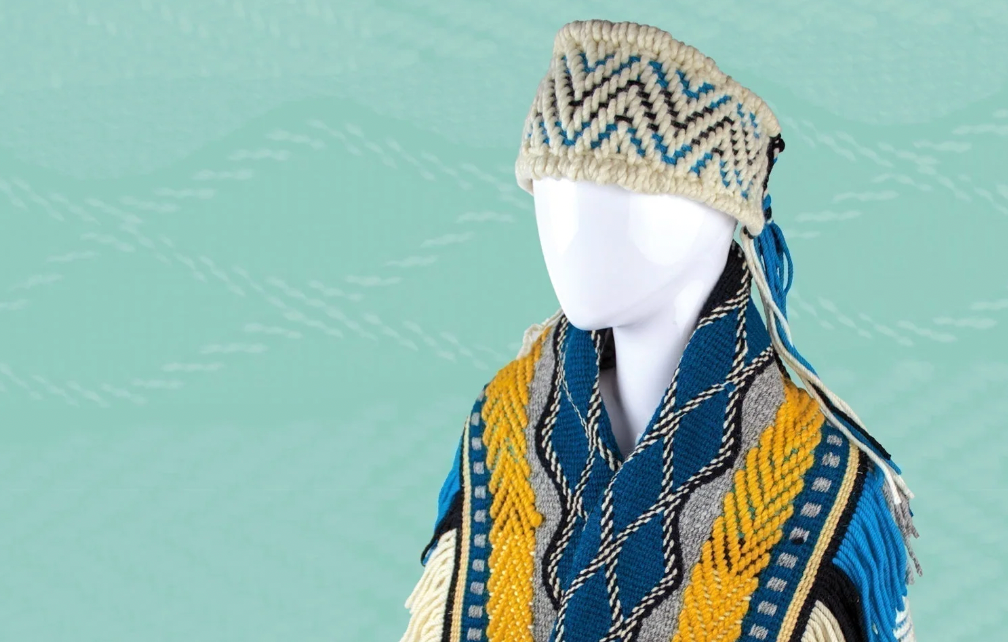
Guest curated by Salish artist Eliot White-Hill, Kwulasultun, this exhibition brings together the work of 11 Coast and Interior Salish artists working across sculpture, printmaking, textiles, painting, and mixed media.
Guest curated by Salish artist Eliot White-Hill, Kwulasultun, this exhibition brings together the work of 11 Coast and Interior Salish artists working across sculpture, printmaking, textiles, painting, and mixed media. Together, their practices reveal the deep cultural, linguistic, and artistic relationships that flow across the Salish world.
While institutional narratives have often centered on Coastal Salish art, this exhibition broadens the lens, foregrounding the vital interconnectivity between Interior and Coast Salish communities. In doing so, it challenges the historic marginalization of Salish art within broader Northwest Coast art histories.
At the heart of the curatorial vision is the river, both a living presence and a powerful metaphor, linking land, water, identity, and evolving cultural practices.
The exhibition celebrates Salish art as dynamic, sophisticated, and forward-looking, affirming its place as both culturally essential and artistically visionary.
Featuring influential artists who have paved the way, including Susan Point and Angela Paul, alongside emerging voices shaping the future, this exhibition offers a resonant and timely exploration of continuity, connection, and creative resurgence.
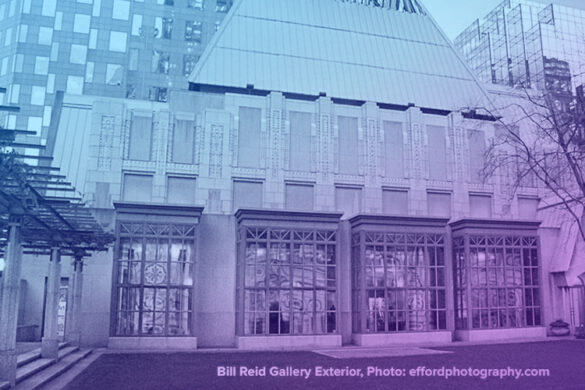
Bill Reid Gallery
639 Hornby Street